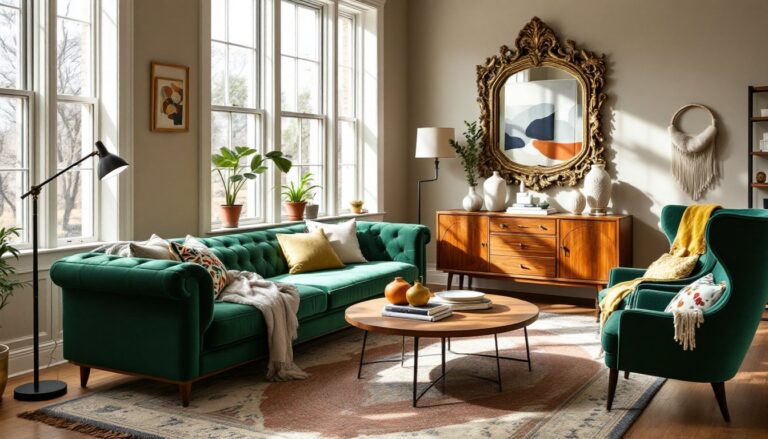
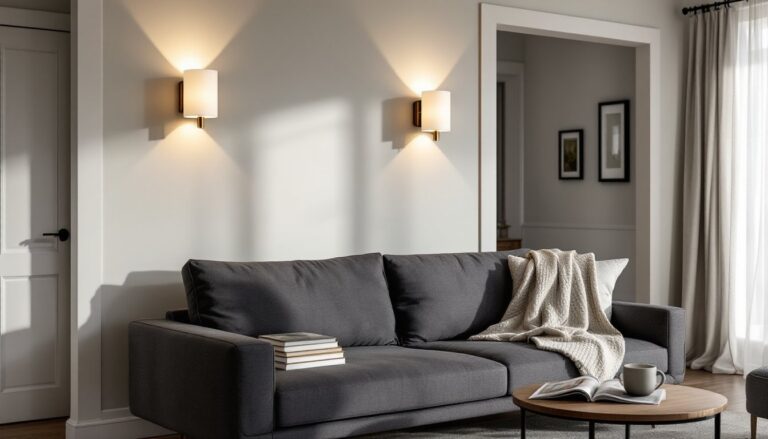
Designing a Florida living room means wrestling with heat, humidity, and relentless sunshine, while making it look effortless. The right approach balances coastal aesthetics with materials that won’t warp, fade, or mildew after one summer. Forget the generic beach-house clichés: modern Florida interiors blend durability with light, breezy style. Whether upgrading a condo in Miami or renovating a ranch in Tampa, these ideas focus on what actually works in the Sunshine State’s climate, not just what looks good on a mood board.
Table of Contents
ToggleKey Takeaways
- Choose light, cool color palettes with warm whites, soft blues, and seafoam greens for Florida living room ideas that reflect heat and resist fading in intense sunlight.
- Invest in moisture-resistant furniture with outdoor-rated fabrics, durable frames like teak or aluminum, and removable washable covers to combat humidity and mildew.
- Install UV-blocking window film, solar shades, and ceiling fans rated for damp locations to manage Florida’s heat and protect furnishings from sun damage.
- Select flooring like porcelain tile, waterproof luxury vinyl plank, or engineered hardwood that withstands humidity and temperature fluctuations better than carpet or laminate.
- Incorporate coastal decor through natural textures, tropical plants, and abstract artwork rather than literal beach themes to achieve sophisticated Florida living room design.
- Blur indoor-outdoor boundaries with sliding glass walls, screened lanais, and consistent flooring transitions to expand living space while maintaining proper ventilation and storm protection.
Embrace Light and Airy Color Palettes
Florida’s intense sunlight demands colors that won’t amplify heat or fade quickly. Cool whites, soft blues, seafoam greens, and sandy beiges work well because they reflect light and create visual coolness. Skip stark whites: they can feel sterile under harsh sun. Instead, opt for warm whites with subtle gray or beige undertones, think Benjamin Moore’s Swiss Coffee or Sherwin-Williams’ Alabaster.
Paint finishes matter. Satin or eggshell sheens handle humidity better than flat paints, which can trap moisture and promote mildew. For trim and molding, semi-gloss stands up to frequent cleaning and moisture exposure.
Accent walls in deeper tones, navy, coral, or terracotta, add personality without overwhelming the space. Designers creating light-toned interiors often pair neutrals with one bold wall to anchor furniture groupings. Test paint samples on multiple walls and observe them at different times of day: Florida’s shifting light changes how colors read from morning to evening.
Choose Furniture That Balances Style and Durability
Upholstery in Florida living rooms takes a beating from humidity, salt air, and sun exposure. Outdoor-rated fabrics, Sunbrella, solution-dyed acrylics, or performance polyesters, aren’t just for patios anymore. They resist mildew, fade, and stains while offering a range of textures that rival traditional indoor fabrics.
Avoid solid wood furniture that’s not properly sealed: it can swell, crack, or warp. Teak, eucalyptus, and aluminum frames hold up better, especially if the room connects to outdoor spaces. Wicker and rattan add coastal flair but need synthetic resin construction (not natural fibers) to survive humidity without falling apart.
Cushions and pillows should have removable, washable covers. Mildew sneaks in fast, especially in older homes without modern HVAC. Choose foam with antimicrobial treatment or quick-dry fill. Leather can work if it’s top-grain and treated, but bonded leather peels in heat and humidity.
Avoid heavy, dark furniture that absorbs heat. Lighter woods like white oak or painted finishes keep the room feeling open. If buying upholstered pieces, ask about the frame construction, kiln-dried hardwood frames resist moisture-related warping better than softwood or particleboard.
Maximize Natural Light and Ventilation
Florida’s abundant sunshine is an asset, if managed correctly. Large windows and sliding glass doors flood rooms with natural light, but without proper treatment, they turn the space into a greenhouse. Install UV-blocking window film or solar shades to reduce heat gain and protect furniture from fading. These products block up to 99% of UV rays while maintaining views.
Ceiling fans are non-negotiable. 52-inch or larger fans with a 6-inch downrod provide adequate airflow in most living rooms. Look for fans rated for damp or wet locations if the room opens to a lanai or pool area. Run fans counterclockwise in summer to push air down and create a wind-chill effect.
Sheer curtains or linen drapes diffuse harsh sunlight without blocking it entirely. Avoid heavy velvet or blackout curtains unless privacy is the priority, they trap heat. Motorized blinds or automated shades programmed to adjust throughout the day help manage interior temperatures passively, reducing HVAC load.
Cross-ventilation matters. If the room has windows on opposite walls, open them during cooler mornings and evenings to flush out stale air. Transom windows above doors or clerestory windows near the roofline add light and ventilation without sacrificing wall space for furniture.
Incorporate Coastal and Tropical Decor Elements
Coastal decor in Florida shouldn’t feel like a theme park. Skip the anchor wall art and seashell overload. Instead, bring in natural textures, jute rugs, sisal baskets, driftwood accents, and live-edge wood coffee tables. These elements nod to the coast without screaming “beach house.”
Tropical plants thrive in Florida’s climate and make excellent indoor decor. Monstera, bird of paradise, areca palms, and pothos handle humidity and indirect light well. Use ceramic or terracotta pots: they wick moisture better than plastic and reduce root rot risk.
Artwork should reflect the region without being literal. Abstract pieces in ocean-inspired colors or photography of Florida landscapes, wetlands, mangroves, sunsets, feel more sophisticated than generic beach prints. Local artists often capture the state’s unique environment better than mass-produced decor.
Interior designers focusing on modern coastal aesthetics layer textures instead of relying on color alone. Pair linen throws with woven poufs, rattan chairs with smooth concrete side tables, and matte ceramics with glossy glass accents. The variety creates depth while maintaining the airy, relaxed vibe Florida living rooms require.
Select Flooring That Withstands Heat and Humidity
Carpet in Florida living rooms is a maintenance headache. Porcelain or ceramic tile remains the most popular choice, it’s cool underfoot, easy to clean, and resists moisture. 12×24-inch or larger format tiles minimize grout lines, which can harbor mildew if not properly sealed. Rectified edges (precisely cut, minimal spacing) create a sleeker look.
Luxury vinyl plank (LVP) offers a wood aesthetic without the drawbacks. Choose waterproof LVP with a rigid core (SPC or WPC construction), rated for high-humidity environments. Avoid glue-down installation in Florida: floating or click-lock systems allow for expansion and contraction with temperature changes.
If committed to hardwood, engineered wood with a marine-grade finish holds up better than solid hardwood. The cross-layered construction resists warping. Brazilian cherry, teak, and tigerwood species handle humidity better than oak or maple. Acclimate the wood in the room for at least 72 hours before installation to minimize post-install movement.
Polished concrete is gaining traction for modern Florida homes, it’s durable, cool, and low-maintenance. Add radiant cooling systems beneath for ultimate comfort, though that’s a bigger investment. Seal concrete properly to prevent staining.
Avoid laminate flooring. It swells and delaminates with moisture exposure. Bamboo flooring, even though being marketed as moisture-resistant, can still warp in high-humidity climates unless it’s strand-woven and properly sealed.
Add Indoor-Outdoor Living Features
Blurring the line between indoors and outdoors is central to Florida living. Sliding or folding glass walls (NanaWall, LaCantina are common brands) open the living room to a patio, lanai, or pool area, expanding usable space. These systems require proper installation and weatherproofing, consult a licensed contractor familiar with Florida Building Code’s high-velocity hurricane zone (HVHZ) requirements if you’re in coastal counties.
Continuing the same flooring from inside to outside creates visual flow. If using tile, ensure the outdoor version is slip-resistant and rated for freeze-thaw cycles (yes, even in Florida, occasional cold snaps happen).
Covered outdoor spaces extend the living room’s footprint. A screened lanai keeps bugs out while allowing airflow. Add weatherproof furniture, ceiling fans, and outdoor rugs to make it a true second living area. Homeowners planning outdoor entertaining spaces often integrate kitchens, bars, and lounging zones adjacent to the main living room.
Pocket doors or barn doors between the living room and outdoor areas offer flexibility, seal off the space during storms or when running AC, then open it up during cooler months.
Consider adding retractable screens to open doorways or windows. They provide insect protection without obstructing views or airflow when not in use. Motorized versions controlled by smart home systems add convenience.
Conclusion
Florida living rooms demand more than good looks, they need to withstand a climate that’s tough on materials and finishes. Focus on moisture-resistant surfaces, UV protection, and ventilation, then layer in coastal style that feels authentic, not forced. Done right, the space stays comfortable year-round and holds up to the Sunshine State’s demands without constant maintenance.