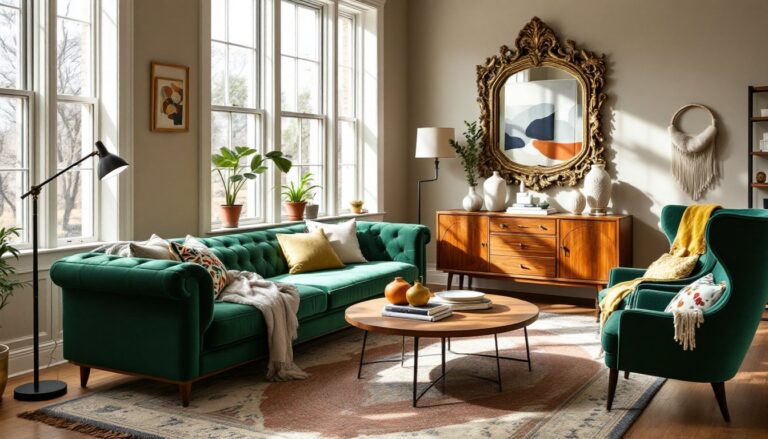
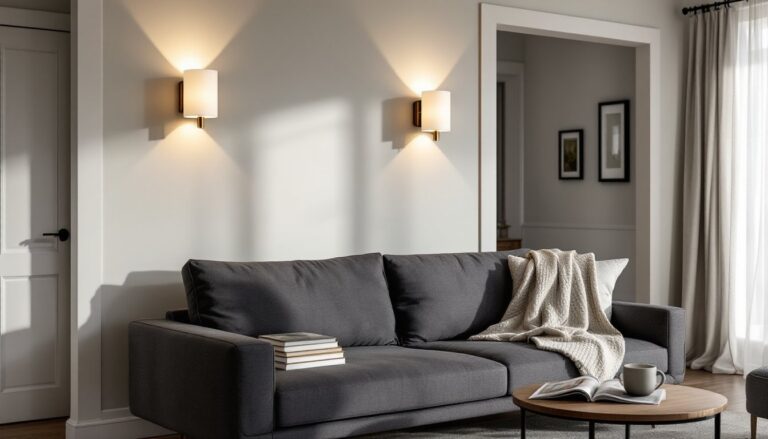
Making a tiny living room work isn’t about cramming in less furniture, it’s about choosing the right pieces and placing them strategically. A room that’s 10×12 feet or smaller can still feel open, functional, and comfortable if you plan the layout with intention. The difference between cramped chaos and a livable, welcoming space often comes down to traffic flow, zone definition, and clever use of vertical surfaces. This guide walks through seven practical strategies for squeezing every bit of usability and style out of a compact living area without resorting to sacrificing comfort or personality.
Table of Contents
ToggleKey Takeaways
- Measure your space precisely and create a floor plan to identify immovable features and define 2–3 priority functions, preventing clutter and confusion in tiny living room layouts.
- Choose multi-functional furniture like sofas with storage, ottomans with hidden compartments, and nesting tables that serve multiple purposes without overwhelming compact spaces.
- Float furniture 12–18 inches away from walls and maintain clear traffic pathways of at least 24–36 inches to create a sense of depth and make the room feel less cramped.
- Maximize vertical space with tall bookcases, wall-mounted shelves, and floating storage that draw the eye upward without consuming precious floor area.
- Use light colors, similar tones for trim and walls, and strategic mirrors to reflect light and visually expand small living rooms while maintaining personality through accessories and artwork.
- Implement hidden storage solutions like baskets, bins, and furniture with compartments to keep surfaces minimal and clutter-free, ensuring functionality and visual order.
Assess Your Space and Define Functional Zones
Before moving a single piece of furniture, measure the room. Use a tape measure to get the exact dimensions, wall to wall, ceiling height, and the location of doors, windows, outlets, and HVAC vents. Sketch a rough floor plan on graph paper (¼-inch scale works well) or use a free digital tool. Mark immovable features like radiators or built-ins.
Next, decide what the room needs to do. Does it need to accommodate TV viewing, reading, workspace, and guest seating? Prioritize the top two or three functions. In spaces under 150 square feet, trying to serve every purpose equally leads to clutter and compromised usability.
Define zones by activity, not by adding walls or heavy dividers. A seating zone might center around a sofa and coffee table. A reading nook could be a corner chair with a floor lamp. Use area rugs, lighting, or even a low bookshelf to signal transitions between zones without blocking sightlines. Keep pathways between zones at least 24 inches wide to allow comfortable movement, though 30–36 inches is better if space allows.
Choose Multi-Functional Furniture for Maximum Efficiency
Every piece in a tiny living room should earn its place by doing more than one job. A sofa bed turns a sitting area into occasional guest accommodations. An ottoman with hidden storage holds blankets or board games while serving as extra seating or a footrest.
Look for furniture with built-in utility. A coffee table with shelves or drawers keeps remotes, coasters, and magazines off surfaces. Nesting tables stack out of the way when not needed but expand when entertaining. Wall-mounted drop-leaf tables fold flat against the wall and swing out for dining or workspace.
Scale matters as much as function. A bulky three-seater sectional overwhelms a 10×10 room, but a 72-inch loveseat or apartment-scale sofa (typically 76–80 inches) paired with a compact armchair often works better. If shopping in person, bring your room dimensions and use painter’s tape on the showroom floor to visualize footprint. Many retailers now list precise measurements online, always check armrest width and seat depth, not just overall length. Furniture legs that lift pieces off the floor also help maintain a sense of openness compared to skirted or heavy base styles. Homeowners upgrading multiple pieces at once often explore options for coordinating furniture sets to maintain visual cohesion without trial and error.
Optimize Traffic Flow and Furniture Placement
A well-planned layout guides movement through the room without forcing occupants to shuffle sideways past furniture. Identify the room’s natural entry and exit points. The primary path, from the door to the seating area or to an adjacent room, should remain clear and direct.
Float furniture away from walls when possible. Pushing every piece against the perimeter actually makes small rooms feel smaller by emphasizing the tight boundaries. Pulling a sofa 12–18 inches off the wall creates a buffer that adds depth and allows room for a narrow console table behind it for lamps or decor.
Arrange seating to encourage conversation without blocking pathways. An L-shaped configuration with a loveseat and two chairs works well in rectangular rooms. In square spaces, try placing a sofa on the longest wall with a pair of lightweight chairs opposite or perpendicular. Avoid placing tall furniture (bookcases, cabinets) directly in sightlines from the entry, it visually chops the room in half.
If the room serves as a pass-through to another area, keep that lane at least 36 inches wide. For rooms with multiple doorways, sketch traffic patterns on your floor plan and adjust furniture to keep those routes unobstructed. Compact spaces thrive when movement feels effortless rather than like navigating an obstacle course. Rooms with restricted flow also benefit from insights on small-space design strategies that balance function and aesthetics.
Use Vertical Space to Your Advantage
When floor space is limited, look up. Walls offer storage, display, and utility without consuming square footage. Tall bookcases (72–84 inches) draw the eye upward and make ceilings feel higher. Anchor them to wall studs with L-brackets to meet tip-over safety standards, especially in homes with kids or pets.
Wall-mounted shelves hold books, plants, or decor without the footprint of a console table. Install them 12–18 inches above furniture like sofas or desks so they’re accessible but not crowded. Floating shelves work well in shallow spaces, 6- to 8-inch-deep shelves fit picture frames and small objects without protruding far into the room.
Consider wall-mounted TV brackets instead of media consoles. A swing-arm or tilting mount allows flexible viewing angles and frees up floor space for storage baskets or a low cabinet. Run cables through in-wall raceways or use cord covers to keep the look clean.
High-mounted hooks or pegboards near entryways hold coats, bags, and keys. Hanging planters bring greenery into the room without taking up table surfaces. If the room has crown molding or picture rail, use it for hanging art with cables and hooks rather than nailing directly into drywall, it’s easier to adjust and leaves fewer holes. Maximizing unused wall area is also a central principle in many space-saving furniture hacks, where modular and adaptable designs shine.
Create Visual Spaciousness with Color and Lighting
Light colors reflect more light and make walls recede, which helps small rooms feel larger. Soft whites, pale grays, and muted pastels are reliable choices. That doesn’t mean the room has to be bland, accent one wall with a deeper tone or use colorful accessories and artwork to add personality without closing in the space.
Paint the trim, ceiling, and walls in similar tones to blur boundaries and create a seamless look. High-contrast trim can chop up sightlines and make the room feel boxier. If the ceiling is low (under 8 feet), painting it a shade lighter than the walls can give the illusion of extra height.
Lighting layers make a huge difference. Overhead fixtures provide ambient light, but they often cast harsh shadows. Add task lighting with table or floor lamps in seating and reading areas. Use LED bulbs in the 2700–3000K range for warm, inviting light that doesn’t feel clinical. Dimmer switches allow flexibility for different times of day and activities.
Mirrors bounce light around and visually double space. Place a large mirror opposite a window to reflect natural light, or lean one against a wall for a casual, layered look. Avoid mirrored furniture or excessive reflective surfaces, they can feel gimmicky and cold rather than spacious. Choosing the right wall colors establishes the foundation for how lighting and furnishings interact with the overall palette.
Incorporate Smart Storage Solutions
Clutter is the enemy of small spaces. Every item needs a designated home, and visible storage should look intentional rather than chaotic. Built-in storage is ideal but not always feasible for renters or tight budgets. Freestanding options can be just as effective.
Use furniture with hidden compartments. Storage ottomans, lift-top coffee tables, and benches with under-seat bins keep everyday items out of sight. Media consoles with closed cabinets hide electronics, DVDs, and gaming gear while keeping surfaces clear.
Baskets and bins corral loose items on open shelves. Choose neutral tones or natural materials like woven seagrass to keep the look cohesive. Label bins if the room is shared by multiple people, it makes tidying faster and keeps systems functional long-term.
Vertical cabinets or tall, narrow storage towers fit in tight corners or beside doorways. A unit that’s 12–15 inches deep won’t intrude much into the room but can hold a surprising amount. Look for pieces with adjustable shelves to customize for different items.
Keep surfaces minimal. A sofa side table should hold a lamp, a coaster, and maybe one small object, not a pile of mail, remotes, and half-empty mugs. Designate a catch-all tray or basket near the entry for keys, wallets, and daily essentials so they don’t migrate to the coffee table. Practical organizing tips help maintain order once the layout is dialed in, and pairing storage with thoughtful color schemes ensures bins and shelves don’t become visual clutter.
Conclusion
A tiny living room doesn’t have to feel cramped or sacrificed. Thoughtful layout decisions, multi-functional furniture, clear traffic lanes, vertical storage, and cohesive color and lighting, transform tight quarters into livable, stylish spaces. Measure carefully, edit ruthlessly, and prioritize function without abandoning personality. The result is a room that works hard, looks good, and proves that square footage isn’t the only measure of comfort.