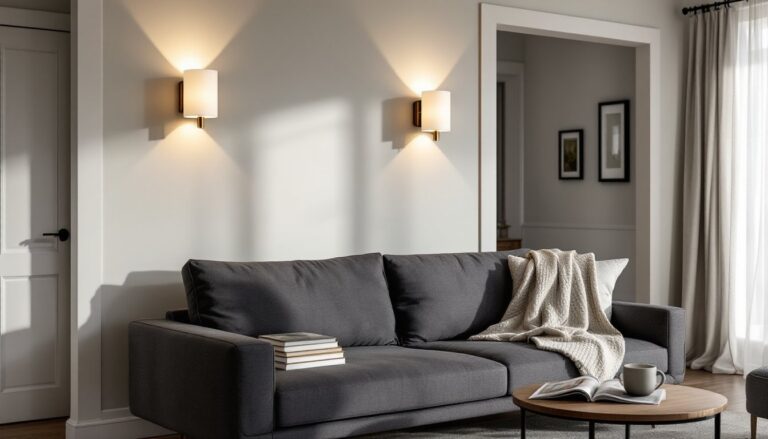
Most elevated decks sit on top of wasted real estate. That shaded, often-neglected footprint beneath the deck boards can become a weatherproof extension of the home’s living space with the right approach. Whether the goal is dining, storage, or a full outdoor kitchen, the under deck zone offers square footage that’s already partially enclosed and structurally supported. Homeowners who plan for drainage, ceiling finishes, and local building codes can turn this overlooked area into a functional, year-round asset without breaking ground on a new addition.
Table of Contents
ToggleKey Takeaways
- Under deck living space ideas can transform wasted real estate into functional outdoor rooms with 60–80% weather protection and a potential 50–75% return on investment.
- Proper drainage systems (like Trex RainEscape or TimberTech DrySpace) are essential to keep under deck areas dry and usable; without them, rain drips through deck boards and limits the space to storage.
- A minimum of 7 feet of headroom meets IRC building codes for habitable under deck living spaces, though areas under 6 feet can still serve as covered patios or storage zones.
- Under deck kitchens and dining zones require licensed plumbers and electricians for gas lines, plumbing, and electrical circuits, all of which need local permits and inspections.
- All-weather furniture (teak, aluminum, solution-dyed acrylic), proper flooring (concrete or pavers), and cross-ventilation are critical to prevent mold and ensure year-round comfort in enclosed under deck areas.
Why Transform Your Under Deck Area?
An under deck space typically offers 60–80% weather protection depending on the deck board spacing and pitch. This built-in shelter reduces material costs for roofing and framing compared to a freestanding patio cover.
Usable square footage increases without expanding the home’s footprint or losing yard space. A 12×16-foot deck adds 192 square feet of potential living area underneath, roughly the size of a small bedroom or workshop.
Resale value climbs when an under deck zone is finished with proper drainage, lighting, and a defined purpose. Appraisers count it as improved outdoor living space, which often yields a 50–75% return on investment in many markets, according to remodeling cost analyses on ImproveNet.
Drainage systems, either commercial under deck ceiling kits or site-built sloped panels, keep the space dry during rain. Without a ceiling system, the area remains prone to drips and debris, limiting its use to storage or unfinished utility space.
Creating a Covered Outdoor Living Room
A living room layout works best when the deck height provides at least 7 feet of clearance to meet IRC headroom minimums for habitable space. Lower decks (5–6 feet) still function for casual seating but feel more like a sheltered patio than a room.
Flooring and Foundation
Concrete slabs or compacted gravel with pavers handle foot traffic and furniture weight. Poured concrete should slope 1/4 inch per foot away from the house for drainage. Pavers on a gravel base allow water infiltration and easier future adjustments.
Skip outdoor carpet or artificial turf unless the ceiling system is fully waterproof. Even sealed deck boards leak over time.
Furniture and Layout
All-weather wicker, aluminum, or teak furniture resists moisture and temperature swings. Fabrics should be solution-dyed acrylic (Sunbrella is a common brand) rated for outdoor UV and mildew resistance.
Arrange seating to face the yard or a fire feature. A 48-inch round coffee table anchors four chairs without crowding a 10×12-foot space. Mount a ceiling fan on the underside of the deck joists if wiring exists or can be added, this requires an electrician if the deck lacks a GFCI-protected outlet.
Lighting and Ambiance
String Edison-style LED bulbs or install recessed canister lights between joists. Low-voltage LED strips along the perimeter add subtle illumination and improve safety on steps. All fixtures must be wet-rated or damp-rated depending on exposure.
A portable propane or natural gas fire table provides warmth without the smoke and ash of a wood-burning pit. Check local fire codes, some municipalities restrict open flames within 10 feet of structures.
Designing an Under Deck Dining and Entertainment Zone
Dining setups demand level flooring and a cleared path to the kitchen. A sliding door or French door from the main floor to the upper deck simplifies serving.
Table and Seating Dimensions
A 6-foot rectangular table seats six comfortably and fits in a 10×10-foot footprint with chairs pulled out. Round tables maximize seating in tighter layouts, a 60-inch diameter seats eight.
Leave 36 inches of clearance around the table perimeter for chair movement and foot traffic. Built-in benches along the deck perimeter save floor space and double as storage if designed with lift-up seats.
Overhead Protection
Install an under deck drainage system (Trex RainEscape, TimberTech DrySpace, or Wahoo Decks are common brands) to channel water to gutters or downspouts. These vinyl or aluminum trough systems attach to the underside of joists and slope toward the deck’s edge.
Without a drainage system, the space remains semi-exposed. Even small gaps between deck boards let through rain, pollen, and debris.
Entertainment Features
Mount a weatherproof TV in a recessed alcove or on a swivel arm. Ensure the outlet is GFCI-protected and the TV is rated for outdoor temperatures (typically -4°F to 122°F).
A Bluetooth speaker system or outdoor soundbar wired to the home’s audio setup works better than portable speakers for consistent volume. Run speaker wire through conduit attached to the joists to avoid dangling cables.
Building a Storage and Workshop Space
Storage is the simplest under deck application and doesn’t require finished walls or climate control. It does need pest barriers and a way to keep tools and materials dry.
Enclosing the Space
Frame walls with pressure-treated 2×4 studs on 16-inch centers if enclosing all sides. Use T1-11 siding, cement board, or vinyl lattice depending on the desired look and ventilation needs. Lattice allows airflow for lawn equipment that may carry gasoline fumes.
Install a lockable door, either a pre-hung exterior door or a hinged plywood panel with a hasp and padlock. The door threshold should sit above grade to prevent water intrusion.
Shelving and Workbenches
Attach wall-mounted shelving brackets directly to studs or the deck’s support posts. 16-inch-deep shelves handle paint cans, toolboxes, and bins without wasting floor space.
A basic 2×4 workbench frame with a 3/4-inch plywood top provides a stable surface for small repairs or potting tasks. Anchor the bench legs to the floor or wall studs to prevent tipping. A fold-down bench saves space if the area serves double duty.
Power and Lighting
Run a dedicated 20-amp circuit from the main panel if using power tools regularly. A single duplex GFCI outlet meets code for most small workshops. Overhead LED shop lights (4-foot or 8-foot fixtures) provide bright, even illumination. Battery-powered lights work for infrequent use but don’t match the output of wired fixtures.
Installing a Kitchen or Bar Area Beneath Your Deck
A full outdoor kitchen requires plumbing, gas lines, and electrical circuits, all of which fall under permit and inspection requirements in most jurisdictions. Hire licensed tradespeople for these systems.
Layout and Appliances
A basic setup includes a grill or cooktop, small refrigerator, and sink. Arrange them in a rough triangle to minimize steps. A 36-inch grill paired with a 24-inch undercounter fridge and a 15×15-inch bar sink fits in a 6-foot-long counter run.
Use stainless steel or marine-grade polymer cabinets designed for outdoor exposure. Wood cabinets warp and rot unless sealed and maintained annually.
Plumbing Considerations
Extending water supply and drain lines from the house is simpler than installing a separate septic connection. A 3/4-inch PEX supply line and a 1.5-inch ABS drain typically suffice for a single sink.
Drains must slope 1/4 inch per foot to prevent standing water. In cold climates, install shut-off valves inside the house and drain lines before winter to avoid freeze damage.
Gas and Electrical
A natural gas line (if available) eliminates the hassle of propane tank refills. Gas work requires a licensed plumber or gas fitter and inspection. Propane lines use different fittings and regulators, they’re not interchangeable.
Electrical needs vary by appliance. A 50-amp circuit handles most built-in grills: a mini-fridge runs on a standard 15-amp outlet. All outlets must be GFCI-protected per NEC requirements for outdoor installations.
Bar Setup
A bar counter typically sits 42 inches high with 30-inch bar stools. A 24-inch-deep countertop provides enough space for plates and drinks without overhanging too far.
Install a built-in cooler or an ice bin with a drain to keep beverages cold. Stainless steel drop-in bins are easier to clean and more durable than plastic models.
Essential Considerations for Under Deck Projects
Drainage and Water Management
Without a ceiling system, water drips through the deck boards and creates muddy, unusable space below. Install a drainage system during deck construction if possible, retrofitting costs more due to access challenges.
Direct runoff away from the house foundation with gutters or a French drain if the slope naturally channels water toward the structure.
Headroom and Code Compliance
Most building codes (IRC Section R305.1) require 7 feet of clear headroom for habitable spaces. Measure from the finished floor to the lowest joist or beam.
Spaces under 6 feet can still function as storage, covered patios, or non-habitable gathering areas but won’t count as living space for appraisal purposes.
Ventilation and Airflow
Enclosed spaces need cross-ventilation to prevent mold and musty odors. Install louvered vents in walls or leave sections of lattice open. A ceiling fan improves airflow in fully enclosed zones, particularly important for wooden decks that integrate naturally into outdoor living environments.
Permits and Inspections
Electrical, plumbing, and gas work typically require permits. Framing and enclosing space under an existing deck may also trigger review if it changes the structure’s use or adds walls.
Check with the local building department before starting. Skipping permits can complicate future home sales or insurance claims.
Safety and PPE
Wear safety glasses, work gloves, and a dust mask when cutting lumber or cement board. Use hearing protection for power saws and drills. If working overhead to install a ceiling system, a hard hat prevents head injuries from deck fasteners or dropped tools.
Always turn off power at the breaker before working on electrical circuits, even for simple outlet installations.
Conclusion
An under deck area becomes functional outdoor space with a clear plan, proper drainage, and attention to local codes. Whether the goal is a shaded lounge inspired by Southern outdoor living traditions, a dry workshop, or a full kitchen, the space delivers year-round utility once the basics, headroom, water management, and ventilation, are addressed. Start with a single-purpose layout, add electrical and lighting as needed, and expand the design as the space proves its value.