When imagining an English kitchen, one might picture a charming space where the kettle’s always on, and scones are perpetually in the oven. But there’s more than just fairy tales and crumpets at play in these culinary havens. From Tudor to contemporary, England’s kitchens tell a fascinating tale of history, functionality, and style that continues to evolve. Let’s jump into the delightful world of English kitchens, where tradition meets innovation in perfect harmony.
Historical Influences on English Kitchen Design
The design of English kitchens has been shaped by centuries of history, influenced by social changes, innovations, and the culinary trends of the era. In the medieval period, kitchens were often separate from the main house, a necessity for managing smoke and fire safely. These spaces were utilitarian, focused primarily on cooking and food preservation, without a hint of the modern aesthetics we see today.
As the Tudor period emerged, kitchens began to shift. The introduction of large hearths allowed for more elaborate cooking techniques, and the establishment of expansive pantries became commonplace, reflecting a growing appreciation for food and hospitality. Fast forward to the Victorian era, and kitchens took a turn towards the ornate. With the advent of gas and electricity, cooking became an efficient process, and kitchens became a gathering place for family and friends, adorned with decorative tiles and intricate cabinetry.
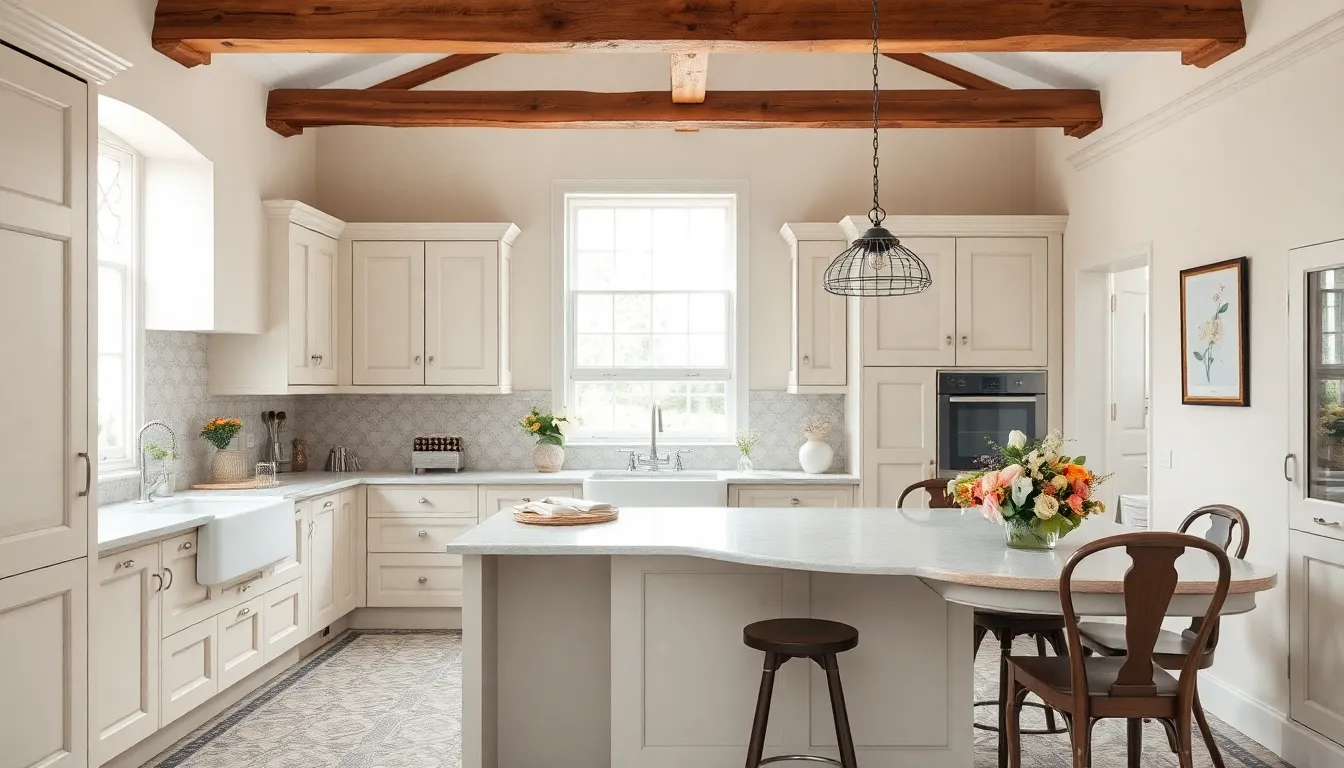
Today, many English kitchens honor their historical roots while incorporating modern design principles. Influences from previous centuries remain visible, with elements like exposed beams, farmhouse sinks, and vintage-style appliances offering a nod to traditional designs while integrating efficiency and comfort.
Traditional Features of English Kitchens
Embracing tradition in design, English kitchens often showcase specific features that define their charm. One prominent characteristic is the presence of a classic range cooker, often considered the heart of the kitchen. These stoves not only cater to culinary needs but also become a focal point, often finished in rich colors that draw the eye.
Another quintessential element is the butler’s pantry, a feature that harkens back to a time when food preparation required a dedicated space away from the dining area. This multifunctional space can serve as extra storage, a prep area, or even a bar.
Also, English kitchens frequently include open shelves, allowing for both practicality and creativity in displaying china or special cookware. Wooden beams, stone floors, and warm, inviting lighting complete the picture, enveloping the kitchen in a cozy ambiance where culinary memories are made.
Modern Trends in English Kitchens
In contrast to their traditional counterparts, modern English kitchens embrace minimalism and innovation. Sleek lines and open spaces dominate new designs, incorporating technologies that enhance convenience while maintaining aesthetics. Smart appliances, for instance, offer cutting-edge solutions for everyday challenges, catering to the busy lifestyles many currently lead.
Another trend is the use of multifunctional furniture, think islands that can double as eating spaces or storage solutions that keep functionality at the forefront. An emphasis on eco-friendly practices is also notable: modern kitchens often feature energy-efficient appliances and sustainable materials, marrying style with environmental responsibility.
As homeowners increasingly prioritize both appearance and usability, modern English kitchens stand as reflections of contemporary values, balancing tradition with the need for functionality.
Materials Commonly Used in English Kitchens
Materials play a vital role in the overall design and functionality of kitchens. In many English kitchens, natural materials reign supreme. Wood, especially with a distressed finish, evokes a sense of tradition while providing durability. The warmth of timber cabinetry contrasts beautifully with the cool surface of stone countertops, often made from materials like granite or quartz.
Another commonly used material is brick, which can create a rustic backdrop especially when used for walls or flooring. This choice not only enhances the aesthetics but also offers practical benefits, providing excellent insulation. In newer designs, stainless steel has made its mark, lending a modern twist to traditional kitchens while being resilient and easy to clean.
Finally, tiles, often in classic patterns or contemporary designs, are utilized for backsplashes or floors, contributing to the kitchen’s character and the overall ambiance.
Color Schemes and Aesthetic Choices
Color choices in English kitchens fluctuate from vibrant hues to muted tones, allowing homeowners to express their personality while remaining timely. Traditional palettes often feature creams, soft pastels, or gentle greens, creating a light and airy feel that welcomes natural light.
In contrast, modern kitchens may lean towards bold colors like navy or charcoal, making a striking statement that catches the eye. The choice of color can also reflect seasonal trends, such as incorporating earth tones or jewel shades,
inviting warmth or elegance depending on the time of year.
Also, the use of wallpaper or decorative finishes adds a layer of sophistication. Patterns that evoke nature or geometric shapes can enhance the aesthetic, providing a playful twist without overpowering the overall design theme.
Functional Layouts and Efficiency
A kitchen should flow, allowing for smooth movement between different areas. The layout often dictates functionality, the most successful spaces featuring a work triangle that enhances efficiency between the sink, stove, and refrigerator. Considerations for ample counter space and organized storage solutions are crucial aspects of designing effective layouts.
In many English kitchens, islands serve as multifunctional components, offering additional prep space, informal dining areas, or extra storage. The concept of open-plan living is also prevalent: this combines the kitchen with adjoining spaces, fostering a sense of connection between family and guests, perfect for social gatherings.
Incorporating Technology in English Kitchens
Technology has revolutionized kitchen efficiency. Smart home devices, such as app-controlled ovens and refrigerator alerts, allow for seamless cooking experiences. Touchless faucets, voice-activated assistants, and automated lighting enhance convenience, making cooking an engaging part of modern life. As technology continues to evolve, English kitchens become increasingly sophisticated while retaining their charm.
Sustainability in Kitchen Design
Sustainability is no longer just a trend: it’s a movement that has made its way into kitchen design. Many homeowners are prioritizing eco-friendly materials and energy-efficient appliances that minimize their carbon footprint. From sustainably sourced wood to recycled materials, the focus is on creating spaces that are not only beautiful but also environmentally responsible.
Water conservation is another key element: low-flow fixtures and efficient appliances ensure that sustainability extends beyond just material choices. Also, many English kitchens now incorporate indoor gardens or herb planters, promoting homegrown ingredients and reducing reliance on store-bought produce. Whether through energy-efficient solutions or incorporating greenery, sustainability offers a promising pathway for the future of kitchen design.