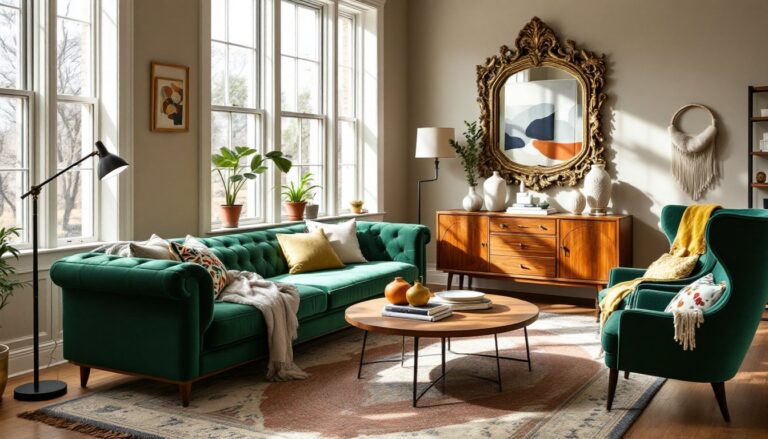
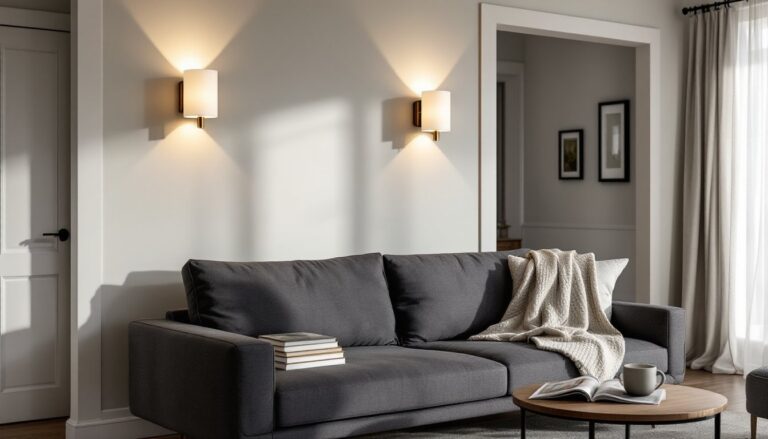
When it comes to living rooms, wall art can be the magical touch that transforms a bland space into an atmospheric haven. Imagine your walls, bare like a blank canvas, crying out for vibrant splashes of color, creativity, and personality. But don’t worry, it doesn’t have to feel daunting. Let’s jump into the wondrous world of wall art for living rooms that’ll leave your guests awed and your walls whispering sweet nothings to your decor. After all, if walls could talk, would they not rave about the stunning pieces that adorn them?
Understanding Wall Art’s Importance in Living Rooms
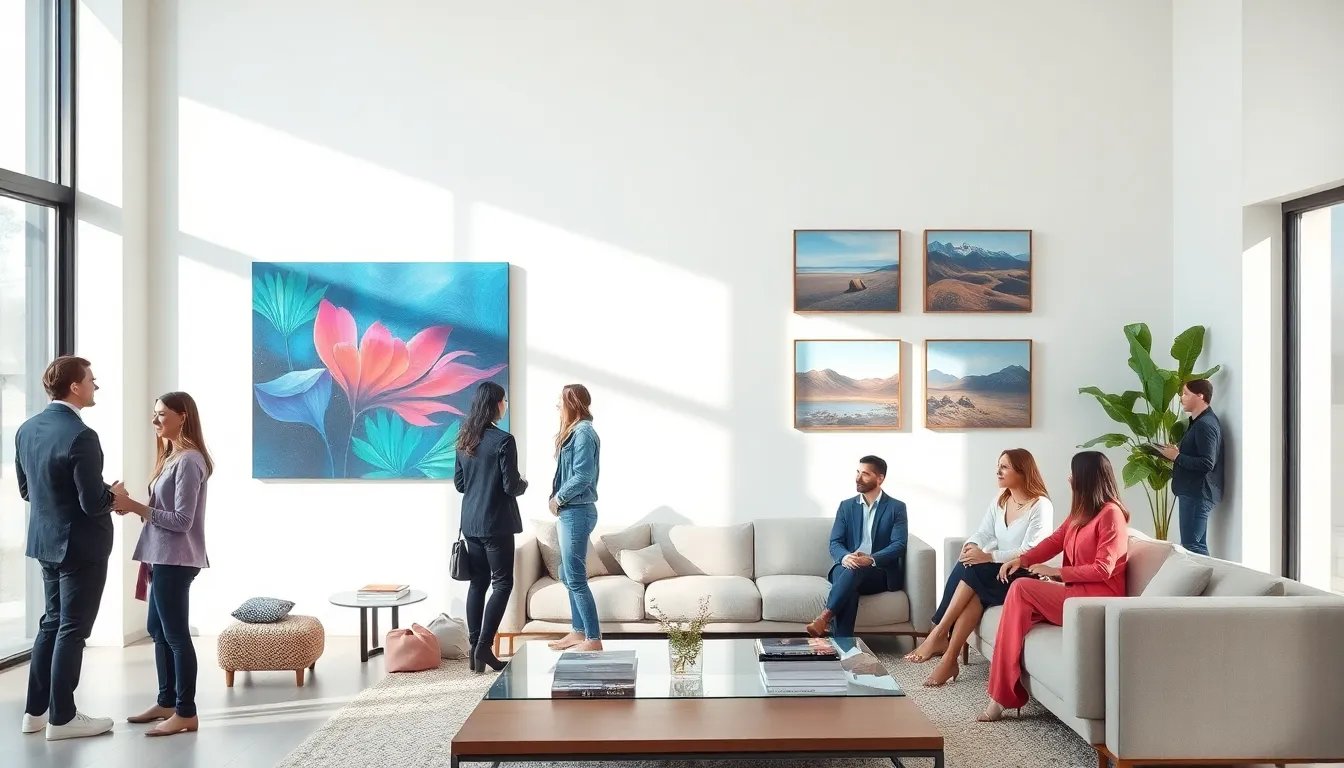
Wall art serves as more than just an aesthetic accessory: it plays a pivotal role in defining the atmosphere and overall vibe of a living room. Think of it as the personality of the space, sparking conversation and reflection. Many often overlook how strategically placed art can complement or even enhance furniture selection and color schemes. For instance, a striking piece of abstract art can infuse energy, while serene landscapes may create a calming effect, making guests feel right at home. In essence, choosing the right wall art is crucial because it helps establish the intended mood of the living room, contributing to its overall coherence.
Also, wall art allows for self-expression. Whether it’s a bold statement piece or a collection of sentimental items, it reflects the taste and interests of those residing in the home. People are drawn to their living spaces, after all, it’s where they unwind after a long day, entertain friends, or simply curl up with a good book. So, the significance of wall art becomes apparent, it’s not just decoration: it’s an embodiment of individual stories and experiences.
Choosing the Right Style of Wall Art
Finding the right style of wall art can seem overwhelming given the multitude of options available, but it doesn’t have to be. The first step is understanding the existing decor. Does the living room lean toward modern minimalism, or does it embrace bohemian charm? Each style offers a unique range of wall art possibilities.
For minimalist spaces, sleek and simple designs with neutral tones may work wonders. Art that features geometric patterns or monochromatic color schemes can seamlessly blend into the overall aesthetic. Conversely, those drawn to a more eclectic style might find joy in vibrant, mixed-media pieces that evoke a sense of whimsy.
Also, personal preferences should guide choices. If one prefers vibrant colors, why not go for bold canvases that pop? Alternatively, individuals with a penchant for serene tones can explore watercolor artworks that soothe the senses. It is essential to choose pieces that not only resonate personally but also harmonize with the room’s ambiance.
Types of Wall Art for Living Rooms
The world of wall art for living rooms is as diverse as the people who inhabit them. From gallery walls to three-dimensional pieces, the options are plentiful. Here’s a closer look at several popular types:
Creating a Gallery Wall
A gallery wall is an engaging way to showcase various artworks or photographs. It allows for creativity by combining different frames, sizes, and styles into a cohesive collection. Begin by choosing a central theme, be it travel, family, or abstract art, to guide the selection process. Layout plays a significant role, so consider pre-arranging items on the floor or using paper templates on the wall to visualize the arrangement before making it permanent.
Framed Art and Prints
Framed artworks and prints remain timeless. They offer versatility, with options ranging from affordable poster prints to high-end limited editions. A well-chosen frame complements both the art and the living room decor. For a polished look, consider matching the frame style to existing furniture or favorite pieces in the room.
Canvas Art and Paintings
Canvas art is a brilliant option for adding texture and depth. It comes in various sizes and can range from abstract compositions to iconic landscapes. Directly mounting canvas on the wall creates a more modern appearance, while traditional canvases can be framed for a classic touch. Look for oversized pieces to act as focal points in larger living rooms, drawing attention immediately.
Wall Sculptures and 3D Art
Adding dimensional elements through wall sculptures and 3D art can make a striking impression. These pieces break the typical flatness of art and can create intriguing shadows and depth. From metal artwork to wood carvings, these items can serve as conversation starters while adding a unique flair to the space.
Incorporating Color and Texture in Art
Color and texture are critical components when it comes to wall art. Choosing artworks that harmonize with the color scheme of the living room can enhance its overall visual appeal. For example, if the living room features muted tones, consider art pieces that introduce subtle pops of color for balance without overwhelming the environment.
Texture is equally important. Combining different artistic mediums, like photographs framed alongside textured canvas pieces, adds depth to the decor. For example, a collage that includes both flat and three-dimensional elements invites viewers to explore each piece closely, making the living room feel more vibrant and inviting.
Don’t shy away from experimenting with contrasting textures to create visual interest. A shiny metallic sculpture paired with a soft textile artwork can evoke excitement and draw attention.
Where to Place Wall Art in Your Living Room
Placement of wall art is crucial for maximizing its impact within the living room. A common rule of thumb is to hang artwork at eye level for easy viewing. But, variations exist based on furniture height and room architecture. Large pieces may be better suited for prominent walls or above larger furnishings like couches, while smaller works can accentuate shelves or side tables.
Using symmetry can guide placements. Arranging frames in a balanced manner around a central piece can contribute to a more polished appearance. For smaller artworks, clustering them together can create a focal point, capturing attention while celebrating a collection. Familiarize yourself with the space, and don’t hesitate to play with arrangements and positions until achieving the desired look.