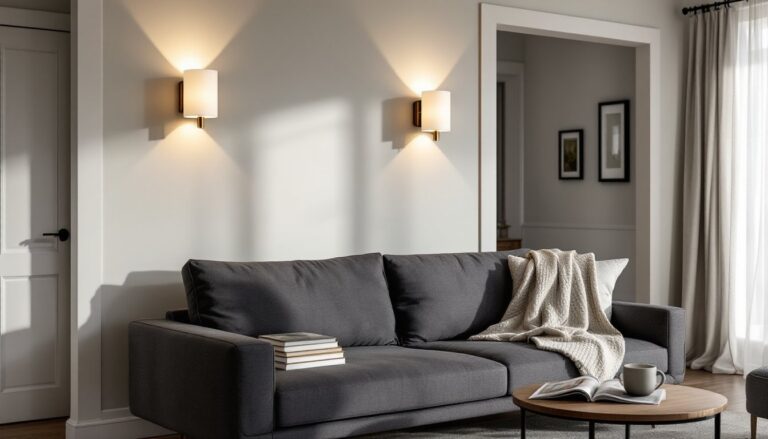
That empty garage bay isn’t just for boxes and yard tools. With housing costs climbing and remote work still going strong, more homeowners are eyeing their garages as untapped living space. Converting a garage into a living room gives you extra square footage without the cost of a full addition, and it’s a project many DIYers can tackle with the right planning. But this isn’t just about tossing down an area rug and calling it done. A true garage-to-living-room conversion means addressing insulation, flooring, climate control, and layout decisions that’ll make the space functional year-round.
Table of Contents
ToggleKey Takeaways
- Garage living room ideas offer a cost-effective alternative to full home additions, typically running $10,000–$30,000 versus $80,000+ for new construction.
- Proper insulation, moisture barriers, and climate control through ductless mini-splits or extended HVAC are essential to make your converted space functional year-round.
- Choose flooring like luxury vinyl plank or engineered hardwood over bare concrete, and always install a vapor barrier to prevent moisture and mold issues.
- Plan thoughtful furniture layouts with defined zones, appropriate scale, and adequate storage to transform a boxy garage into an inviting living room.
- Layer your lighting with ambient, task, and accent fixtures, and hire a licensed electrician to ensure all wiring meets code for habitable space.
- Finish your garage living room with cohesive wall colors, textiles, and décor that integrates it seamlessly with the rest of your home while managing acoustics with soft materials.
Why Convert Your Garage Into a Living Room?
A garage conversion delivers more usable living space without altering your home’s footprint or navigating the expense of a ground-up addition. For families needing a rec room, home office, or guest lounge, repurposing an existing structure beats building new every time.
From a cost perspective, garage conversions typically run $10,000 to $30,000 depending on your market, the condition of the existing slab, and how much mechanical work is involved. Compare that to a full room addition at $80,000+, and the savings become clear, though your final number will vary with local labor rates and material choices.
There’s also flexibility. A converted garage living room can serve multiple roles: media room, playroom, second den, or even a rental unit if local zoning allows (always check municipal codes on accessory dwelling units). Some municipalities classify garage conversions as habitable space, which may affect property taxes and require building permits. Consult your local building department before framing a single wall.
Essential Planning Steps Before Your Garage Conversion
Start by assessing the garage door opening. Most conversions involve removing the door and framing in a new wall. Stick-frame that opening with 2×4 or 2×6 studs on 16-inch centers, matching your local code for exterior walls. You’ll need a header above any new window or door openings, consult span tables or an engineer if the opening is wide.
Next, evaluate your concrete slab. Check for cracks, slope (garages often pitch toward the door for drainage), and moisture issues. If the slab is significantly sloped, you may need to level it with self-leveling compound before laying finished flooring. A vapor barrier underneath any flooring is non-negotiable in a garage conversion: concrete wicks moisture, and without a barrier, you’ll face mold and flooring failures.
Electrical and HVAC: Garages typically lack the electrical capacity for living spaces. You’ll need to add circuits for outlets (spaced per NEC requirements, generally every 12 feet along walls) and lighting. Plan for at least one 15-amp circuit dedicated to general use, plus additional circuits if you’re adding built-in features. For climate control, extending your home’s HVAC system is ideal but not always feasible: ductless mini-splits are a solid alternative and often easier to install in a retrofit.
Permitting: Most jurisdictions require a permit for a garage conversion. Inspectors will check egress (you’ll likely need a code-compliant window or exterior door), electrical work, insulation values, and structural framing. Don’t skip this step, unpermitted work can complicate insurance claims and resale.
Insulation and Climate Control Solutions
Garages are notoriously under-insulated. Standard garage walls might have no insulation at all, and the overhead door is essentially a giant thermal leak once removed.
For wall insulation, spray foam offers the best R-value per inch (R-6 to R-7 per inch for closed-cell) and acts as an air barrier, but it’s pricey. Fiberglass batts (R-13 or R-15 for 2×4 walls, R-19 to R-21 for 2×6) are the budget-friendly choice and work fine if you’re meticulous about sealing gaps with canned foam. Don’t forget to insulate the ceiling or roof deck, most building codes require R-30 to R-49 in ceilings depending on your climate zone.
Once insulated, plan your heating and cooling. A ductless mini-split system is the go-to for garage conversions: one outdoor compressor, one indoor wall-mounted head, and no ductwork to wrestle into place. Units sized for 300-400 square feet (typical single-car garage footprint) run around 12,000 BTU and cost $1,500 to $3,000 installed. Alternatively, if your existing HVAC system has capacity, a licensed HVAC tech can tap into existing ductwork and add a register or two, but don’t DIY this: undersized ducts or improper balancing will leave the room uncomfortable and stress your system.
Flooring Options That Elevate Your Garage Living Room
Your flooring choice sets the tone, and the comfort level, of the finished space. The concrete slab underneath is cold, hard, and not something you want underfoot.
Luxury vinyl plank (LVP) is the workhorse choice for garage conversions. It’s waterproof, durable, clicks together over a foam underlayment, and you can install it as a floating floor directly over concrete (with vapor barrier underneath). Expect to pay $2 to $5 per square foot for decent LVP. Brands with rigid SPC cores handle temperature swings better than flexible WPC, which matters if your climate control isn’t perfect.
Engineered hardwood is an option if you’re confident in your moisture mitigation. It’s less forgiving than LVP but offers a more upscale look. Always use a 6-mil polyethylene vapor barrier and a moisture meter to confirm your slab is below 3 lbs/1,000 sq ft/24 hours per calcium chloride test before laying wood products.
Carpet over pad is the coziest underfoot and helps with sound dampening, useful if you’re creating a media room. But, carpet in a former garage requires vigilance, any moisture intrusion from an imperfect slab seal leads to mildew. Opt for synthetic fibers (nylon or polyester) rather than wool, and make sure your pad includes a moisture barrier.
Avoid: Leaving the concrete bare or just sealing it. Bare concrete is uncomfortable, cold, and echoes sound. Epoxy coatings look sharp in a garage but don’t change the fact that you’re walking on concrete, fine for a workshop, not for a living room.
No matter which flooring you choose, install baseboards after the floor goes down. A simple 3.5-inch MDF or pine baseboard covers the expansion gap and gives the room a finished look. Choosing the right wall colors can tie your flooring and overall design together seamlessly.
Creative Layout and Furniture Arrangement Ideas
Garages are often boxy rectangles with limited natural light and one or two exterior walls. Thoughtful furniture placement and zoning will make the space functional rather than awkward.
Define zones even in a single-car garage (typically 12×20 feet or about 240 square feet). A sectional or loveseat anchors a seating zone: a console table or bookshelf behind the sofa creates separation from a secondary area, maybe a desk nook or game table. In a two-car garage (20×20 feet, roughly 400 square feet), you have room for a full living room set with dedicated areas for TV viewing and conversation.
Furniture scale matters. Overstuffed sectionals work in large conversions, but in tighter spaces, opt for apartment-sized sofas and chairs with exposed legs, they keep sight lines open and make the room feel larger. Avoid pushing all furniture against walls: floating a sofa a few feet out with a console table behind it adds depth and function.
Storage is critical. You’re repurposing a space that likely held all your overflow stuff. Built-in shelving, a storage ottoman, or a media console with closed cabinets keeps clutter at bay. Many modern living design approaches emphasize minimalism for smaller conversions, every piece should earn its place.
One often-overlooked detail: window placement. If you’re framing in the old garage door opening, plan for at least one egress-compliant window (minimum 5.7 square feet of openable area, with no dimension less than 20 inches, and a sill height no more than 44 inches above the floor per IRC). That window also brings in natural light and views, making the space feel less like a converted garage and more like part of the home.
Lighting Design to Brighten Your Converted Space
Garages default to a single bare bulb or a pair of shop lights, nowhere near adequate for a living room. Layered lighting transforms the space.
Start with ambient lighting: recessed LED cans are the cleanest look. Space them about 4 to 6 feet apart for even coverage in an 8-foot ceiling. Use 3000K color temperature LEDs for a warm white that feels residential, not industrial. If your garage has an open ceiling or exposed trusses, consider track lighting or surface-mount fixtures, both install without cutting into drywall and give you flexibility to aim light where needed.
Task lighting supports specific activities. A floor lamp next to a reading chair, a table lamp on a console, or under-cabinet LEDs if you add a wet bar or coffee station all count. If you’re running new electrical, add a few strategically placed outlets with built-in USB ports, convenient for charging devices without visible cords.
Accent lighting adds personality. LED strip lights behind a TV or under floating shelves create a modern look. Picture lights or track heads aimed at wall art draw the eye and make décor pop.
One mistake to avoid: relying solely on overhead lighting. It’s flat and uninviting. Mix ceiling fixtures with lamps at different heights to create depth and warmth. Dimmers on every circuit give you control over mood, essential if the room doubles as a media space.
Finally, make sure all wiring is up to code. Garages often have exposed Romex stapled to studs, which is fine for an unfinished garage but not for habitable space. All wiring must be run inside walls or in approved conduit, with junction boxes properly covered. Hire a licensed electrician if you’re unsure: most jurisdictions require a permit and inspection for any new circuits.
Styling and Decor Tips for a Welcoming Atmosphere
Once the structure, flooring, and lighting are dialed in, styling turns your converted garage into a room people actually want to spend time in.
Start with wall treatments. Drywall or plywood sheathing over your framed walls is the standard approach, tape, mud, sand, and prime before painting. For a faster, textural option, consider tongue-and-groove pine paneling or shiplap on one accent wall. Both add character and can be installed directly over studs, though you’ll still want to insulate behind them.
Popular paint colors like warm neutrals, soft grays, and muted blues work well in converted spaces, especially if natural light is limited. Light colors bounce available light around and make the room feel more open. If you’re feeling bold, a dark accent wall can add drama, but balance it with lighter furnishings to avoid a cave-like feel.
Textiles and layers bring warmth. An area rug anchors your seating zone and softens sound (especially important on hard flooring). Throw pillows, blankets, and curtains add color and texture. If your new window is small or awkwardly placed, sheer curtains diffuse light without blocking it entirely: heavier drapes add a sense of luxury and improve insulation.
Accessorize with intention. Bookshelves, plants, and décor pieces personalize the space, but don’t clutter, small-space decorating strategies emphasize editing down to what you love and use. If your garage conversion connects directly to the house via an interior door, style it to flow with adjacent rooms: continuity in paint color or flooring makes the addition feel integrated rather than tacked on.
Don’t forget the ceiling. If you drywall it, paint it a shade lighter than the walls to add height. Exposed truss ceilings can look great with a coat of white or black paint, depending on your style. Just make sure any exposed framing is clean and intentional, half-finished looks unfinished, not industrial-chic.
Finally, consider acoustics. Garage conversions can echo thanks to hard surfaces. An area rug, upholstered furniture, curtains, and even fabric-wrapped acoustic panels help absorb sound. Modern home design resources often highlight how layering soft materials improves both comfort and sound quality in converted spaces.