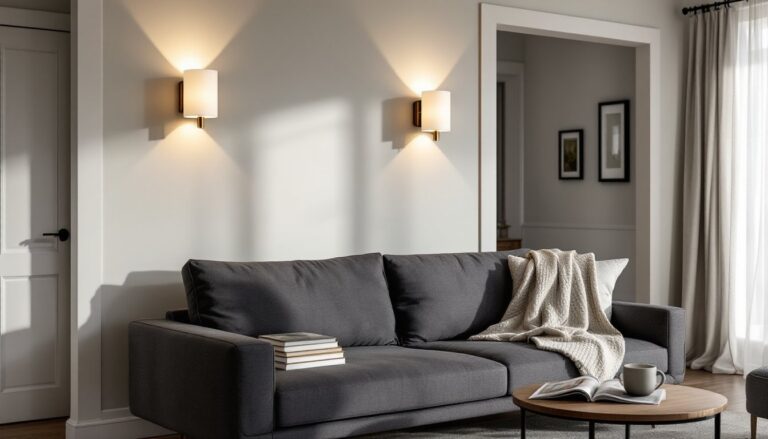
Curtains do more than frame a window, they control light, add privacy, anchor a room’s color scheme, and define how finished a living room feels. Yet choosing the right window treatments can be overwhelming when you’re staring at hundreds of fabric samples and mounting options. The good news? You don’t need an interior design degree to get it right. This guide walks through practical curtain ideas that balance aesthetics with function, from layering techniques to mounting heights that make ceilings look taller. Whether you’re working with builder-grade windows or floor-to-ceiling glass, the right approach transforms a living room from bland to complete.
Table of Contents
ToggleKey Takeaways
- Window curtain ideas for living rooms serve dual purposes: controlling light, adding privacy, and anchoring your room’s color scheme while making spaces feel complete and polished.
- Proper measurement and mounting techniques—placing rods 4–6 inches above window frames and extending 3–6 inches beyond sides—make windows appear larger and maximize natural light.
- Fabric weight determines function: lightweight options offer soft light filtering, medium-weight blends balance control and maintenance, while heavyweight materials like velvet provide blackout and insulation ideal for media spaces.
- Layered curtains with sheers and opaque drapes deliver versatility for daytime privacy with diffused light and nighttime blackout without adding visual clutter.
- Bold patterns and jewel tones inject personality in neutral living rooms, while neutral and minimalist options in natural fibers create serene, timeless spaces that won’t feel dated.
- Floor-to-ceiling curtains mounted near the ceiling with subtle puddle or kiss-the-floor lengths instantly elevate formality and make standard ceilings appear taller.
How to Choose the Right Curtain Style for Your Living Room
Start by assessing what the room actually needs. South-facing windows flood spaces with light but can fade furniture if left unfiltered. North-facing windows let in softer, cooler light that rarely requires heavy blocking. Consider the room’s existing architecture, formal living rooms with crown molding and wainscoting pair well with tailored panels and pleated headers, while open-concept spaces benefit from simpler rod-pocket or grommet styles that don’t compete with sightlines.
Measure your windows before you shop. Curtain panels are typically sold in standard drops: 63″, 84″, 95″, 108″, and 120″. For a polished look, mount rods 4–6 inches above the window frame and extend brackets 3–6 inches beyond each side. This makes windows appear larger and allows panels to stack off the glass when open, maximizing natural light.
Fabric weight dictates function. Lightweight cotton, linen, and sheers filter light and add softness but offer minimal privacy after dark. Medium-weight blends (cotton-poly, canvas) provide moderate light control and are easier to maintain. Heavyweight fabrics like velvet, wool blends, or lined drapes block drafts, reduce noise, and darken rooms, ideal if your living room doubles as a media space. If you’re unsure, buy one panel as a test: fabric behaves differently when hung than it does folded on a shelf.
Don’t ignore hardware. Cheap tension rods sag under the weight of lined drapes. For panels over 84 inches, use a 1-inch diameter rod or thicker, mounted with wall anchors or screwed into studs. Finials, brackets, and rings contribute to the overall style, brushed nickel suits modern spaces, oil-rubbed bronze works in traditional rooms, and matte black adds contemporary edge.
Layered Curtains for Depth and Versatility
Layering gives you control without sacrificing style. The classic setup: sheer panels closest to the glass, with opaque drapes on an outer rod. During the day, pull back the heavy panels and leave sheers closed for diffused light and daytime privacy. At night, draw both layers for full blackout and insulation.
Double-rod brackets simplify installation. Mount the outer rod 1–2 inches higher and farther from the wall than the inner rod so panels don’t bind when opening and closing. If you’re working with limited wall space between the window frame and ceiling, a double-track ceiling-mount system keeps hardware flush and maintains a cleaner profile.
For texture contrast, pair linen sheers with velvet drapes, or gauzy voile with textured cotton. The sheers soften harsh sunlight while the outer layer anchors the room’s color palette. In choosing complementary living room elements, layered curtains add dimension without requiring additional furniture or accessories.
Layering also solves odd window shapes. If you have a wide picture window flanked by narrow side panels, hang sheers across the full span and use drapes only on the outer sections. This creates symmetry and makes the window wall feel intentional rather than awkward.
Bold Patterns and Colors to Make a Statement
If your living room skews neutral, grays, whites, beiges, curtains are a low-commitment way to inject color or pattern without repainting. Geometric prints, oversized florals, and abstract motifs draw the eye up and add energy. Just keep scale in mind: large patterns work in spacious rooms with high ceilings, while smaller prints suit compact spaces where bold designs can feel overwhelming.
When mixing patterns, follow the rule of three: one large-scale pattern (curtains), one medium (throw pillows), and one small (rug or art). Keep a unifying color thread, if your drapes feature navy and gold, echo those hues in accessories to tie the room together.
Saturated jewel tones, emerald, sapphire, deep plum, work well in rooms with ample natural light, where the color shifts throughout the day. In dimmer spaces, rich hues can feel heavy: consider lighter or warmer shades like terracotta, ochre, or blush. Designers on leading interior design platforms often pair bold curtains with understated furniture to let the window treatment be the focal point.
Print placement matters. Vertical stripes elongate walls and make ceilings appear taller. Horizontal stripes widen narrow rooms but can visually lower ceiling height. If you’re uncertain, solid-colored panels with textured weaves, jacquard, damask, or subtle stripes, add interest without pattern fatigue.
Neutral and Minimalist Curtain Options
Neutral doesn’t mean boring. Linen, Belgian flax, and raw cotton in oatmeal, sand, or soft gray deliver warmth and texture while maintaining a clean backdrop. These fabrics wrinkle naturally, which adds a relaxed, lived-in quality, perfect if your living room leans Scandinavian or modern farmhouse.
For true minimalism, go with ripplefold or euro-pleat drapes on a concealed track. The panels hang in uniform, unbroken waves, creating a tailored, almost architectural look. This style works especially well in contemporary spaces where ornate hardware would clash with sleek furniture and open shelving.
Consider tone-on-tone layering: white sheers behind ivory drapes, or charcoal linen over slate-gray panels. The subtle variation adds depth without introducing new colors. Pairing neutral curtains with coordinated wall colors creates a cohesive, serene environment that won’t feel dated in five years.
If you want warmth without color, try natural fibers: jute-weave panels, bamboo blends, or linen-cotton mixes. These materials filter light beautifully and pair well with wood tones, leather, and stone, common finishes in mid-century and transitional interiors.
Floor-to-Ceiling Curtains for a Luxurious Look
Hanging curtains high and letting them puddle slightly on the floor (about 1–2 inches) or kiss the floor (just grazing) instantly elevates a room’s formality. This approach draws the eye vertically, making 8-foot ceilings feel taller and adding drama to vaulted or cathedral ceilings.
Mount your rod as close to the ceiling as possible, ideally within 2–3 inches. If you have crown molding, mount just below it to avoid a cramped look. Measure from the rod to the floor, then add 1–2 inches for a subtle break or 3–4 inches for a more traditional puddle. Avoid excess fabric pooling on the floor in high-traffic areas: it collects dust and pets will nest in it.
Extra-long panels (108″ or 120″) are standard for this look, but if you have 9- or 10-foot ceilings, you may need custom lengths. Many online retailers offer made-to-measure drapes at reasonable markups. If you’re sewing your own, hem with hem tape and fabric glue for a quick, no-sew option, or use a basic straight stitch if you have access to a machine.
Floor-to-ceiling curtains work especially well in formal living rooms or spaces with large windows and sliding glass doors. Pair them with inspiration from modern home decor showcases to maintain visual consistency across furniture and textiles.
Practical Curtain Solutions for Light Control and Privacy
Not every living room needs blackout drapes, but understanding your options helps match function to lifestyle. Blackout-lined panels block 95–100% of light and are ideal if your living room faces streetlights, you work night shifts, or you want a dedicated home theater setup. These panels also insulate against heat loss in winter and heat gain in summer, useful if your windows are single-pane or poorly sealed.
Room-darkening curtains filter 85–95% of light without full blackout, maintaining a dim but not pitch-black environment. They’re a good middle ground for families who want flexibility between movie nights and Sunday mornings with natural light.
For daytime privacy without darkness, sheer or semi-sheer panels diffuse the view from outside while letting light through. Pair them with roller shades or cellular shades on the same window for adjustable coverage, raise the shades during the day, lower them at night, and leave the sheers drawn year-round.
Top-down/bottom-up shades are underrated in living rooms. Mount them behind curtain panels for layered control: lower the top half for natural light while keeping the bottom closed for privacy from the street. This works particularly well in urban or street-facing homes.
If you’re dealing with west-facing windows that turn your living room into an oven every afternoon, thermal-backed or UV-blocking curtains reduce glare and protect upholstery from sun fade. When planning paint color schemes, factor in how curtains will shift the room’s overall tone at different times of day. Resources like Homedit often feature case studies on pairing window treatments with lighting and color.
Conclusion
The right curtains finish a living room the same way trim finishes a paint job, without them, something’s missing. Whether opting for bold color, clean neutrals, or layered textures, focus on measurements, fabric weight, and mounting height before worrying about tassels or patterns. Well-chosen window treatments improve comfort, control light, and make the space feel complete without requiring a gut renovation.