Empty wall space above a couch or fireplace can make even a well-furnished living room feel unfinished. Extra large wall decor solves that problem by filling vertical space with visual weight and personality. Whether it’s a six-foot canvas, a salvaged window frame, or a sprawling metal sculpture, oversized pieces anchor a room and set the tone for everything around them. This guide walks through selecting, sizing, and hanging statement decor that works with your space, not against it.
Table of Contents
ToggleKey Takeaways
- Extra large wall decor for living rooms should typically be 48 inches or larger in one dimension to command attention and create a strong focal point that anchors your space.
- Size your oversized wall art to fill two-thirds to three-quarters of the available width above furniture—for an 84-inch sofa, target decor in the 56–63 inch range for balanced proportions.
- Install extra large wall decor at eye level (57–60 inches from the floor to the center) with 6–12 inches of spacing between the piece and furniture below for maximum visual impact.
- Match installation hardware to weight: use toggle bolts or molly bolts rated for 50+ lbs for drywall, and locate studs with a stud finder for anything over 75 lbs.
- Choose materials based on your design style—canvas and photography for modern spaces, reclaimed wood for rustic, metal sculptures for industrial, and mixed materials for eclectic looks.
- Use painter’s tape to mock up dimensions on your wall before purchasing to avoid costly returns and ensure the statement piece complements your room’s existing aesthetic.
Why Extra Large Wall Decor Makes a Bold Impact
Scale matters. A small framed print on a twelve-foot wall reads as an afterthought. Extra large decor, typically 48 inches or larger in one dimension, commands attention and creates a focal point that organizes the rest of the room.
Oversized pieces eliminate the guesswork of gallery walls. Instead of arranging fifteen frames with a level and painter’s tape, one statement piece delivers instant impact. It also balances large furniture: a sectional sofa or floor-to-ceiling windows need visual weight on the walls to keep the room from feeling bottom-heavy.
From a design standpoint, large decor amplifies style. A single abstract canvas reinforces a modern aesthetic more effectively than a cluster of smaller works. The same goes for rustic wood panels, industrial metal art, or a luxury design approach that relies on curated statement pieces rather than filler.
Practically, oversized decor hides imperfections. Textured walls, old paint lines, or patched drywall disappear behind a large piece. Just be sure the wall itself is sound, drywall anchors rated for the piece’s weight are non-negotiable.
Best Types of Oversized Wall Decor for Living Rooms
Not all large decor is created equal. Material, mounting method, and visual density all affect how a piece works in a room.
Large Canvas Art and Multi-Panel Prints
Stretched canvas is the workhorse of oversized wall art. A single 60×40-inch canvas in an abstract or landscape print fills space without overwhelming it. Canvas is lightweight (typically 5–15 lbs for a large piece), which means it hangs securely with standard D-rings and picture hooks rated for the load.
Multi-panel (triptych or diptych) canvases spread a single image across two or three frames, typically with 2–4 inches of spacing between panels. This format works well above sectionals because the breaks in the image mirror the seams in the furniture. Panels are easier to handle solo during installation, three 24-inch-wide pieces beat wrestling a single 72-inch frame.
When selecting canvas prints, look for gallery wrap (image extends around the sides) rather than black or white edges. It looks cleaner unframed. For durability, giclee prints on cotton-poly blend canvas resist fading better than paper-backed prints.
Framed prints under glass add formality but increase weight significantly. A 48×36-inch framed print with glass can hit 30+ lbs, requiring two heavy-duty wall anchors rated for 50 lbs each into studs or toggle bolts in drywall. If you’re not comfortable drilling into studs, consider canvas or acrylic-faced prints instead.
Oversized Mirrors and Metal Wall Sculptures
Large mirrors, especially those 48 inches or taller, reflect light and make small living rooms feel more open. Leaning mirrors (propped against the wall) require no hardware but need a non-slip pad underneath and clearance from foot traffic. Hung mirrors need heavy-duty D-rings and anchors: a 4×6-foot mirror in a wood frame can weigh 50+ lbs.
Mirror placement matters. Avoid hanging them directly opposite windows if glare is an issue, and position them to reflect something intentional, a chandelier, a view, or a styled console, not a blank wall or clutter.
Metal wall sculptures bring texture and dimension. Pieces made from powder-coated steel or wrought iron hold up better than thin tin: look for gauge thickness of 18–22 for durability. Large metal art is often surprisingly light, most under 20 lbs, and mounts with keyhole hangers or sawtooth brackets. The challenge is getting them level, especially geometric designs where asymmetry is obvious. Use a 48-inch level and mark both mounting points before driving screws.
For homeowners exploring a broader range of wall art options, materials like reclaimed wood panels, woven textiles, or even large-format photography offer alternatives to traditional canvas and metal. Wood panels add warmth but require sealing if humidity is a concern. Textile wall hangings need periodic vacuuming to avoid dust buildup.
How to Choose the Right Size Wall Decor for Your Space
The most common mistake is going too small. A 30-inch piece on a 10-foot wall looks timid. As a rule, decor should fill two-thirds to three-quarters of the available width above furniture.
Measure the furniture below, sofa, console, or mantel. If a couch is 84 inches wide, target decor in the 56–63 inch range. For a fireplace mantel that’s 60 inches, look for pieces around 40–45 inches wide. This keeps the decor anchored to the furniture rather than floating awkwardly.
Vertical height depends on wall and ceiling dimensions. For 8-foot ceilings, keep large decor under 48 inches tall to leave breathing room. With 10-foot or vaulted ceilings, pieces up to 72 inches tall work well, especially in two-story living rooms.
Use painter’s tape to mock up dimensions before buying. Tape out the proposed size on the wall and live with it for a day or two. It’s easier to adjust tape than return a 60-pound mirror.
Weight distribution matters for installation. A 50 lb piece needs at least two anchors rated for the load. For drywall without stud access, use toggle bolts or molly bolts rated for 50+ lbs each. For plaster walls (common in older homes), toggle bolts are safer than expansion anchors, which can crack plaster. If mounting anything over 75 lbs, locate studs with a stud finder and drive 3-inch wood screws directly into the framing.
Placement Tips for Maximum Visual Impact
Hang decor at eye level, generally 57–60 inches from the floor to the center of the piece. This is the standard museum height and feels natural in most rooms. Adjust slightly if ceilings are unusually high or low.
Above furniture, leave 6–12 inches of space between the top of the sofa or console and the bottom of the decor. Too much space disconnects the piece from the furniture: too little makes it feel crowded. For pieces hung above a fireplace, the same rule applies: aim for 6–8 inches above the mantel.
If hanging a piece on a large, empty wall with no furniture below, center it on the wall and maintain the 57-60-inch eye-level guideline. The piece should feel grounded, not floating near the ceiling.
For multi-panel art, maintain consistent spacing between panels, typically 2–4 inches. Use a level and measure from a common baseline (like the top edge of each frame) to keep alignment tight. A laser level helps here, especially for three-panel installations.
When working with design elements like wall color choices, consider contrast. Dark decor pops on light walls: light decor needs a darker backdrop to avoid washing out. Neutral walls give you the most flexibility.
Safety note: Always wear safety glasses when drilling into walls, especially overhead. Drywall dust, plaster chips, and falling debris are common hazards. Use a cordless drill with a clutch setting to avoid over-torquing anchors, which can strip drywall.
Styling Ideas: Pairing Oversized Decor with Your Living Room Design
Oversized decor should complement, not compete with, your room’s existing style. Here’s how to match pieces to common aesthetics.
Modern/Minimalist: Stick to single large canvases in muted tones or black-and-white photography. Clean lines and negative space matter more than busy patterns. Metal sculptures with geometric shapes reinforce the aesthetic without adding clutter.
Rustic/Farmhouse: Reclaimed wood panels, oversized barn doors, or large-scale botanical prints work well. Look for pieces with visible wood grain or distressed finishes. Avoid overly polished frames: raw or whitewashed wood fits better.
Industrial: Go for metal wall art, gears, abstract sculptures, or large statement pieces in aged steel or iron. Exposed brick or concrete walls handle heavy textures better than drywall, so lean into that if you have it.
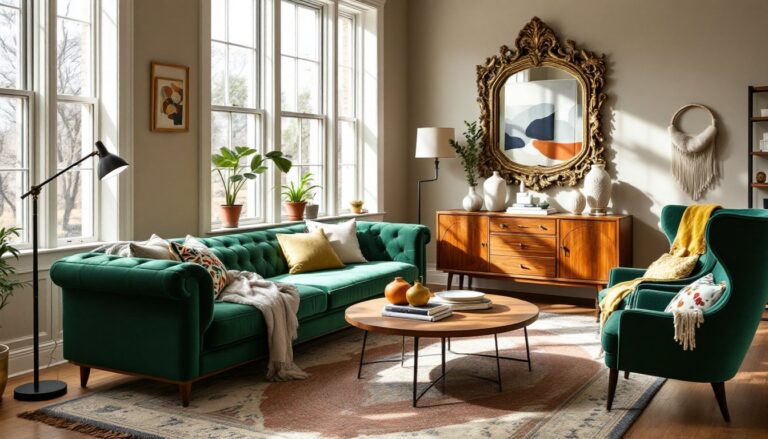
Traditional/Classic: Large framed mirrors, oil paintings, or ornate wood carvings suit this style. Gold or dark wood frames add formality. Symmetry matters here, pair matching pieces on either side of a fireplace or center one large piece.
Eclectic/Boho: Mix materials. A woven macrame wall hanging next to a metal sculpture or a colorful abstract canvas works in this style. The key is balancing scale: one oversized piece anchors the space, while smaller accents layer around it without crowding.
Balance the room by distributing visual weight. If oversized decor is on one wall, add a large plant, bookshelf, or floor lamp on the opposite side to avoid a lopsided feel. Design inspiration from sources like House Beautiful often emphasizes this kind of spatial balance, especially in open-concept living areas.
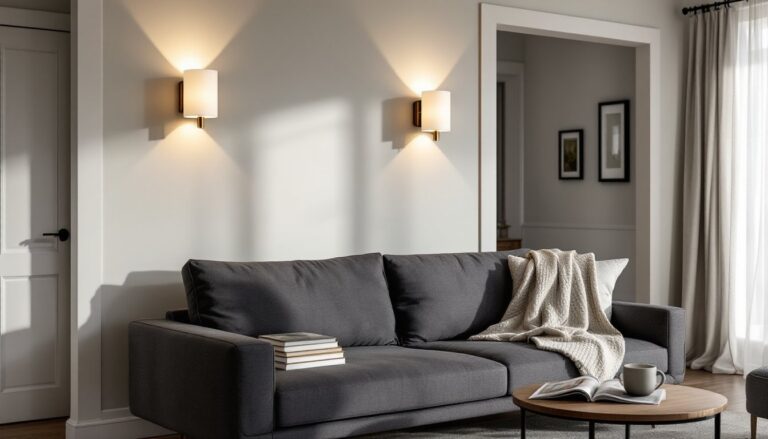
Lighting amplifies impact. Picture lights or adjustable track lighting directed at the decor adds drama, especially for textured pieces like metal sculptures or oil paintings. For canvas prints, avoid direct sunlight, which fades ink over time. LED spotlights generate less heat and UV than incandescent bulbs.
Finally, consider the room’s function. Living rooms used for entertaining benefit from conversation-starter pieces, abstract art, bold colors, or unusual materials. Family-focused rooms might lean toward personal photography, maps, or pieces with sentimental value. Home design platforms like Homify showcase these kinds of personalized approaches across a range of budgets and styles.
When in doubt, choose one statement piece and build around it. Extra large decor works best when it’s the hero of the wall, not one of many competing elements.