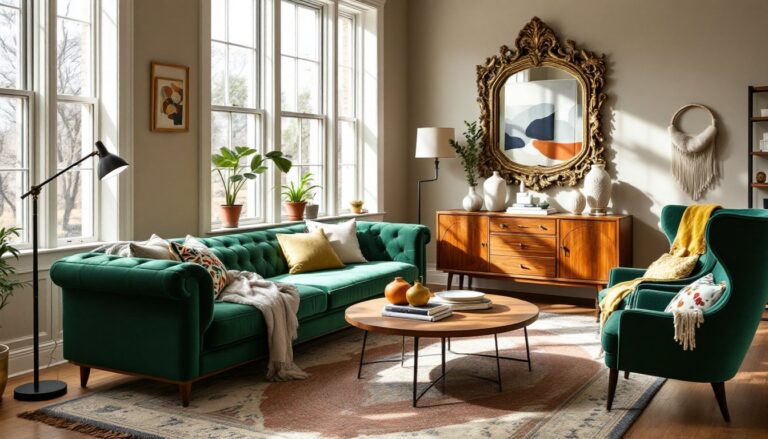
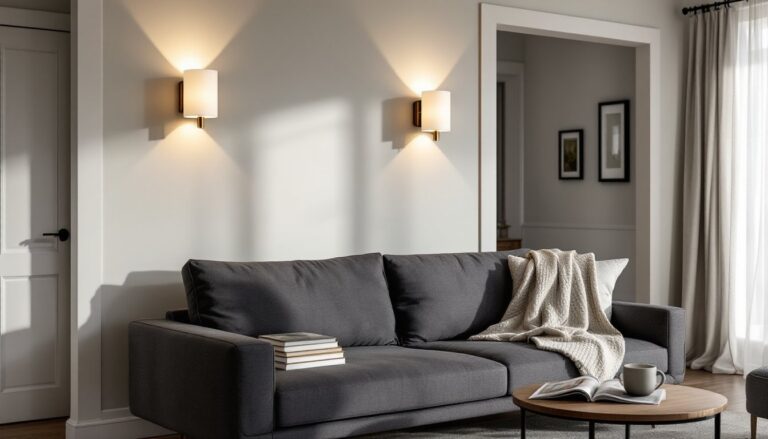
Staging a small <a href="https://jettscapes.com/living-rooms-set/”>living room isn’t about cramming in fewer things and calling it minimalism. It’s about making deliberate choices with furniture, color, and layout so the room feels open, functional, and inviting, not like a waiting room. Whether you’re prepping to sell or just tired of bumping into the coffee table, these staging strategies use scale, light, and smart placement to expand your visual square footage without knocking down walls. Here’s how to make a compact living room work harder and look bigger.
Table of Contents
ToggleKey Takeaways
- Strategic small living room staging relies on anchoring furniture to a focal point and floating pieces slightly away from walls to create depth and define zones.
- Choose apartment-scale sofas with exposed legs (32–34 inch depth) and multifunctional pieces like storage ottomans to maximize comfort without sacrificing floor space.
- Light, neutral wall colors and minimal window treatments reflect natural light and make spaces feel visually larger, while layered lighting adds dimension and warmth.
- Hang curtains near the ceiling and use tall, narrow bookshelves or vertical artwork to draw the eye upward and create the illusion of higher ceilings.
- Keep surfaces 50% clear, limit accessories to odd-numbered groupings, and position mirrors opposite windows or intentional focal points to reflect light and expand visual space.
- Edit ruthlessly by ensuring every item justifies its presence through function or beauty, treating your square footage as a valuable asset.
Why Strategic Furniture Placement Is Your Secret Weapon
Most small living rooms fail because furniture floats aimlessly or gets shoved against walls like a high school dance. Neither works.
Anchor your seating to a focal point, a fireplace, window, or media console, and arrange pieces to encourage conversation without blocking sightlines. Pull the sofa a few inches off the wall to create depth. It sounds counterintuitive, but floating furniture actually makes a room feel larger by defining zones and allowing light to move around the perimeter.
Leave at least 18 inches of walking space between the coffee table and seating. Tight clearances make a room feel cramped, even if you’re not physically stuck. Angle a chair instead of lining everything up parallel to the walls: asymmetry adds visual interest and breaks up the boxiness of a small footprint.
Skip the matching furniture set. A loveseat paired with a couple of accent chairs often fits better than a full-size sofa with a bulky recliner. Mix in a lightweight side table or nesting tables that can be tucked away when not in use. Flexibility beats rigidity in tight spaces.
Scale Down Your Furniture Without Sacrificing Comfort
A standard three-seat sofa runs about 84 inches wide, fine for a generous room, but a space-eater in anything under 150 square feet. Look for apartment-scale sofas (72 to 76 inches) with track arms or narrow profiles. You’ll still get comfortable seating without the visual weight of oversized cushions and rolled arms.
Opt for furniture with exposed legs. Sofas and chairs that sit on legs (ideally 4 to 6 inches tall) let light pass underneath, creating the illusion of more floor space. Skirted furniture or pieces that sit flat on the ground can make a room feel bottom-heavy and closed in.
Consider multifunctional pieces: an ottoman with hidden storage, a console table that doubles as a desk, or a coffee table with a lift top. These aren’t gimmicks, they’re practical solutions when every square foot counts. Just avoid anything overly bulky or ornate. Clean lines and simple silhouettes read as less cluttered.
Stay mindful of seat depth, too. A sofa with a 36-inch depth might look plush, but in a small room it juts out and kills flow. Look for depths closer to 32 to 34 inches for better proportion.
Use Light and Color to Expand Visual Space
Paint isn’t just decoration, it’s architecture for your eyes. Light, neutral tones (soft whites, warm grays, pale beiges) reflect more light and push walls back visually. That doesn’t mean sterile: warm neutrals add depth without shrinking the room.
If you want color, use it strategically. A single accent wall in a muted blue or sage green can add personality without overwhelming the space. Save saturated, dark hues for smaller doses, throw pillows, a rug, or artwork.
Maximize natural light by keeping window treatments minimal. Sheer curtains or Roman shades mounted inside the frame let light flood in without heavy drapes that eat up visual real estate. If privacy’s a concern, use cellular shades that pull down from the top. Designers often recommend choosing lighter paint colors to enhance brightness and maintain an airy feel.
Layered lighting also helps. A single overhead fixture flattens a room: add a floor lamp in a corner and a table lamp on a side table to create pools of light that make the space feel more dynamic. LED bulbs in the 2700K to 3000K range (soft white) mimic natural light without the harshness of cooler temperatures.
Create the Illusion of Height With Vertical Elements
Low ceilings and squat furniture conspire to make small rooms feel even smaller. Counter that by drawing the eye upward.
Hang curtains as close to the ceiling as possible, not just above the window frame. Use a rod mounted 2 to 4 inches below the ceiling line, and let the panels skim the floor. This trick elongates the wall and makes the ceiling appear higher. Stick with solid colors or subtle patterns, busy prints chop up the vertical line.
Choose tall, narrow bookshelves or cabinets instead of wide, low credenzas. A single floor-to-ceiling unit provides plenty of storage without sprawling across the room. Paint it the same color as the wall to make it recede, or use it as an accent in a deeper tone if you want it to anchor the space.
Vertical artwork works the same way. A tall, narrow piece or a gallery wall arranged in a column pulls the gaze up. Skip the horizontal runner prints that emphasize width. When selecting pieces, homeowners often find that vertical wall art can visually stretch a room and add a sense of airiness.
Declutter and Style With Purpose
Staging isn’t decorating, it’s editing. Every item in the room should justify its presence. If it’s not functional, beautiful, or both, it’s clutter.
Start by clearing surfaces. A coffee table should hold a tray with a couple of books and maybe a small plant, not a pile of remotes, magazines, and mail. Keep tabletops at least 50% clear to maintain a sense of calm and order.
Use closed storage wherever possible. Floating shelves look great in photos but can quickly turn into visual noise in a small room. A media console with doors, a storage ottoman, or a cabinet keeps everyday items out of sight. If you do use open shelving, style it sparingly: a few books stacked horizontally, a small vase, and negative space.
Limit your accessories to odd-numbered groupings (one, three, or five items per surface). This is a basic staging rule that adds balance without overcrowding. Stick to a cohesive color palette, two or three accent colors max, to keep the eye moving smoothly instead of jumping around.
Professionals at Apartment Therapy frequently emphasize that purposeful styling, rather than over-accessorizing, is key to making small spaces feel curated and intentional.
Add Mirrors and Reflective Surfaces Strategically
Mirrors are the easiest trick in the book, but placement matters. A large mirror opposite a window doubles natural light and reflects the view, making the room feel more open. Lean a floor mirror against the wall for a casual, layered look, or hang a statement mirror above the sofa as a focal point.
Avoid placing mirrors directly across from clutter or a blank wall, you’ll just multiply the problem. Instead, position them to reflect something intentional: a piece of art, a plant, or outdoor light.
Reflective finishes work beyond mirrors. A glass coffee table has less visual weight than a solid wood one. Metallic accents, a brass lamp, chrome side table, or mirrored tray, catch and bounce light around the room without taking up physical space. Just don’t overdo it: too many shiny surfaces can feel cold or chaotic.
Consider a mirrored accent wall if you’re feeling ambitious. This works best on a short wall (to widen the room) rather than a long one. It’s a more involved project, but the payoff is dramatic. If full mirror panels feel too bold, try antique mirror tiles or a beveled mirror in a frame for a softer effect. Many homeowners also explore cohesive color schemes to tie together reflective elements with the overall palette.
For additional insights on balancing style and space, MyDomaine offers practical guidance on incorporating mirrors and reflective materials into compact interiors.
Conclusion
Staging a small living room comes down to intentional choices: right-sized furniture, smart layout, light colors, and ruthless editing. There’s no magic paint color or single piece of furniture that’ll do the work, it’s the cumulative effect of scale, light, and negative space. Treat your square footage like the valuable asset it is, and the room will feel twice as large without moving a single wall.