A fireplace anchors a living room, but in a compact space, it can dominate or create awkward traffic patterns if not handled strategically. The challenge isn’t removing visual weight, it’s channeling it. This guide covers proven layout strategies, material choices, and storage solutions that make small living rooms with fireplaces feel balanced and spacious. Whether working with a wood-burning hearth, gas insert, or electric unit, these techniques apply across fireplace types and rental-friendly scenarios. Expect specific furniture dimensions, color temperature rationale, and multi-use design tactics that squeeze function from every square foot.
Table of Contents
ToggleKey Takeaways
- Strategic furniture placement in small living rooms with fireplaces—such as angling seating at 45 degrees and floating sofas 12–18 inches from walls—creates depth perception and improves traffic flow without blocking heat circulation.
- Choose right-sized furniture pieces like 72–76 inch sofas with exposed legs, glass coffee tables, and low-profile seating (16-inch height) to maximize space and make rooms feel more spacious.
- Use monochromatic color palettes with tonal variation, warm neutrals, and texture layering (jute rugs, linen curtains, knit throws) to enhance light reflection and prevent visual clutter around the fireplace focal point.
- Maximize vertical storage with floor-to-ceiling built-ins, floating shelves mounted on studs, and tall bookcases to reclaim square footage without consuming floor space in small living rooms.
- Implement layered lighting with LED bulbs at 2700–3000K warm white temperature, dimmer switches, and accent lights to balance the fireplace’s glow and visually expand the compact space.
- Design multi-functional layouts using storage ottomans, sofa beds, nesting tables, and area rugs to define zones while maintaining flexible traffic paths of 30–36 inches for primary walkways.
Strategic Furniture Placement Around Your Fireplace
The fireplace acts as the focal point, so furniture arrangement should enhance sightlines without blocking heat circulation or creating cramped walkways. Start by measuring clearances: maintain at least 3 feet between the hearth and upholstered furniture for safety and radiant heat distribution. In rooms under 150 square feet, angle seating rather than centering everything perpendicular to the fireplace. A loveseat positioned at a 45-degree angle opens corner space and creates a conversational triangle without sacrificing fireplace views.
Avoid pushing all furniture against walls, it telegraphs the room’s small footprint. Instead, float a sofa 12 to 18 inches from the wall to create depth perception. Pair it with a narrow console table behind the sofa (10 to 12 inches deep) for display or storage without eating floor space. If the fireplace sits on an exterior wall, check for cold drafts around the damper or chase: a fireplace draft stopper can prevent heat loss and improve comfort near seating areas.
Corner fireplaces demand different logic. Place the primary seating perpendicular to the corner, with a compact armchair or pouf opposite. This L-shaped arrangement maximizes seating density while keeping pathways clear. Wall-mounted TV installations above or beside the fireplace work here, but verify the heat output won’t exceed the manufacturer’s safe operating temperature for electronics, typically 90°F ambient. Use a mantel or heat shield if needed.
Scale and Proportion: Choosing the Right Pieces
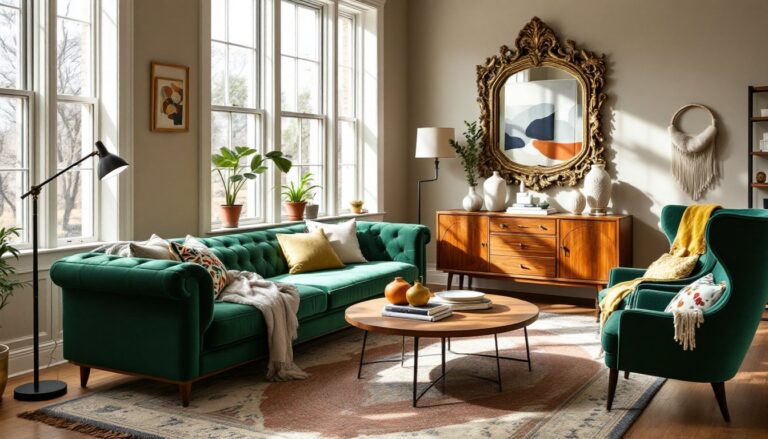
Oversized sectionals swallow small rooms. Opt for a 72- to 76-inch sofa rather than an 84-inch model: the difference feels minor on the showroom floor but opens circulation paths at home. Look for furniture with exposed legs, wooden or metal feet create visual breathing room versus skirted bases that land heavily. Armless chairs or those with track arms save 4 to 6 inches per side compared to rolled or English arms.
Choose furniture that complements seating arrangements and maintains proper spatial flow around the hearth. Coffee tables should measure no more than two-thirds the sofa length: in tight quarters, nested tables or a single 36-inch round table improves maneuverability. Glass or acrylic tops reduce visual bulk. Avoid bulky ottomans unless they double as storage, lift-top models with interior compartments justify their footprint.
Vertical proportions matter too. Low-profile seating (seat height around 16 inches versus standard 18 inches) lowers the visual horizon line, making ceilings feel taller. Pair low seating with taller accent pieces like a floor lamp or a narrow bookshelf to draw the eye upward and balance the room’s geometry.
Color and Texture Strategies to Enhance Space
Light colors reflect more lumens, but all-white rooms feel sterile. Instead, use a monochromatic palette with tonal variation, soft grays, warm taupes, or muted blues, to add depth without visual fragmentation. Paint the fireplace surround and mantel in a shade one or two steps lighter or darker than the wall color to define the feature without overwhelming it. Glossy or satin finishes on trim and fireplace surrounds bounce light better than flat paints.
Managing wall color choices helps establish the room’s perceived dimensions and light quality. In rooms with limited natural light, avoid cool grays that read dingy: opt for warmer neutrals with beige or greige undertones. Test samples in both daylight and artificial light, paint behavior shifts dramatically under different color temperatures.
Texture breaks up monotony without adding visual clutter. A jute or low-pile wool rug anchors the seating area and absorbs sound, improving acoustics in small rooms. Layer in linen curtains, a chunky knit throw, or leather accent pillows for tactile variety. Brick or stone fireplace surrounds already provide texture: balance them with smoother upholstery and matte-finish side tables to prevent sensory overload.
If the fireplace surround is dated tile or builder-grade brick, consider a heat-resistant paint designed for masonry. Light-colored painted brick modernizes the look and reflects more light, critical in compact spaces. BIN shellac-based primer followed by two coats of acrylic latex works for non-combustion surfaces: consult the paint manufacturer for high-heat zones near the firebox. Alternatively, peel-and-stick tile overlays (rated for heat exposure) offer a rental-friendly update without permanent alterations.
Fireplace Styling and Mantel Design for Small Rooms
A cluttered mantel shrinks the room. Follow the rule of thirds: divide the mantel into three zones and style asymmetrically with varying heights. One taller piece (18 to 24 inches) on one side, balanced by grouped lower objects on the other. Lean a framed mirror or artwork rather than hanging it: leaning pieces feel casual and leave wall anchors available for future adjustments.
Mirrors above the fireplace amplify light and depth, but size matters. A mirror should span two-thirds to three-quarters the mantel width to feel intentional. Oversized mirrors risk overpowering the space: undersized ones look tentative. If the mantel is shallow (under 6 inches deep), mount decor directly to the wall or use adhesive plate hangers for lightweight objects instead of propping items that might tip.
When selecting artwork and decor pieces, consider scale and composition relative to the fireplace surround. Functional decor earns its place, a mantel clock, a pair of candlesticks, or a small plant in a ceramic pot. Avoid tchotchke sprawl: three to five curated items read cleaner than a crowded display. Swap seasonal elements (branches, greenery, or a single statement object) to refresh the look without permanent commitment.
For electric or non-venting gas fireplaces, the mantel is often purely decorative. Verify weight limits if the mantel is a floating shelf: drywall anchors support 15 to 25 pounds per anchor depending on type, but toggle bolts or mounting into studs provide more secure hold. If there’s no mantel, a simple wooden beam (5/4 x 6 lumber, stained and sealed) can be installed with heavy-duty brackets anchored into studs, DIY-friendly and customizable to room dimensions.
Maximizing Vertical Space and Built-In Storage
Vertical storage reclaims square footage. Floor-to-ceiling built-ins flanking the fireplace provide display and concealed storage without encroaching on floor space. Standard depth for built-ins is 12 to 16 inches: shallower units (10 inches) work near doorways or windows where depth is constrained. Use the lower cabinets for closed storage (media components, games, extra throws) and open shelving above for books or decor.
DIY built-ins using stock cabinets (IKEA BESTA or similar modular systems) and trim molding deliver a custom look at a fraction of the cost. Secure base cabinets to wall studs with 3-inch wood screws: add a plywood or MDF top for a continuous countertop spanning the fireplace surround. Paint everything the same color as the walls to visually recede the storage, or contrast with a bold hue to make it an intentional feature.
Floating shelves above the fireplace extend storage upward. Mount shelves directly into studs using heavy-duty shelf brackets rated for the load, figure roughly 20 pounds per linear foot for books. Space shelves 10 to 14 inches apart vertically to accommodate standard book heights and decorative objects. Avoid cluttering every shelf: leave some breathing room to prevent a cramped, overstuffed appearance.
If structural work is off the table, tall bookcases or ladder shelves beside the fireplace serve the same purpose. Anchor freestanding units to the wall with furniture straps or L-brackets to prevent tipping, essential for earthquake-prone regions and homes with children or pets. A narrow étagère (12 to 16 inches wide) fits in tight alcoves and adds verticality without blocking windows or outlets.
Lighting Solutions That Complement Your Fireplace
Layered lighting compensates for the fireplace’s concentrated glow. Combine ambient, task, and accent lighting to eliminate dark corners and visually expand the room. A central ceiling fixture or recessed cans provide base illumination: choose LED bulbs with a color temperature between 2700K and 3000K (warm white) to match the fireplace’s warm tones.
Floor lamps and table lamps add task lighting for reading and create pools of light that draw the eye around the room, breaking up the space. In small rooms, arc floor lamps work well, they cantilever over seating without consuming floor space. Look for lamps with dimmer switches or three-way bulbs for adjustable ambiance: full brightness isn’t always needed, especially when the fireplace is lit.
Accent lighting highlights architectural features and adds depth. Picture lights or small LED spotlights mounted above built-in shelving illuminate art and decor. Battery-operated puck lights inside cabinets (installed with adhesive backing or small screws) make closed storage more functional and add a subtle glow when doors are open. Under-mantel LED strips create a floating effect, though this works best with modern or contemporary fireplace designs.
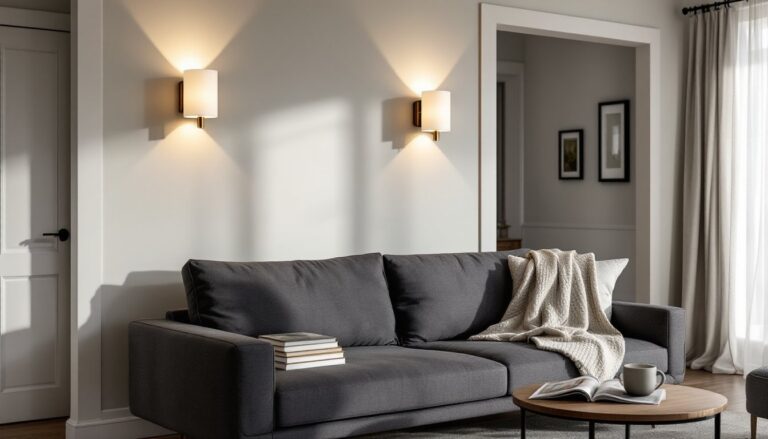
Interior designers at HGTV recommend using dimmers on every light source for ultimate flexibility. Dimmers let homeowners dial down overhead lighting when the fireplace provides most of the illumination, reducing energy use and creating a cozier atmosphere. Wall sconces flanking the fireplace save table space and add symmetry: mount them 60 to 66 inches from the floor (centerline) for optimal light spread and visual balance.
Multi-Functional Layouts for Practical Living
Small living rooms demand furniture that works harder. Sofa beds or daybeds provide guest sleeping without a dedicated bedroom. Storage ottomans double as coffee tables and hide blankets or remotes. Nesting tables collapse when not in use, freeing up circulation space for everyday life.
Define zones without walls. A rug anchors the seating area around the fireplace: a different rug or runner delineates a reading nook or workspace in an alcove. Low bookshelves (30 to 36 inches tall) act as partial room dividers, offering storage while maintaining sightlines. Avoid tall dividers that chop the room into claustrophobic cells.
Consider how the room functions day-to-day, not just when entertaining. If the fireplace wall is opposite a media console, ensure the TV viewing angle doesn’t conflict with fireplace seating arrangements, angling the sofa slightly accommodates both. If the living room also serves as a home office, a narrow wall-mounted desk (24 inches deep) beside the fireplace or on an adjacent wall keeps work gear contained without monopolizing the room. Resources like Apartment Therapy often showcase clever multi-use layouts for compact homes.
Traffic flow matters more in small spaces. Maintain 30 to 36 inches of clearance for primary walkways: secondary paths can narrow to 24 inches. Map out the most frequent routes, entry to seating, seating to kitchen, and arrange furniture to keep those lanes open. Design experts at MyDomaine suggest using painter’s tape on the floor to mock up furniture footprints before committing to a layout, a low-cost test run that prevents costly mistakes and heavy lifting.
Flexibility is key. Lightweight accent chairs or stools can be moved as needed for extra seating, then tucked into a corner or closet when not in use. Modular sofas with removable sections adapt to changing needs or future moves. A living room that can shift gears, from cozy fireside reading to movie night to impromptu gathering, earns its square footage many times over.