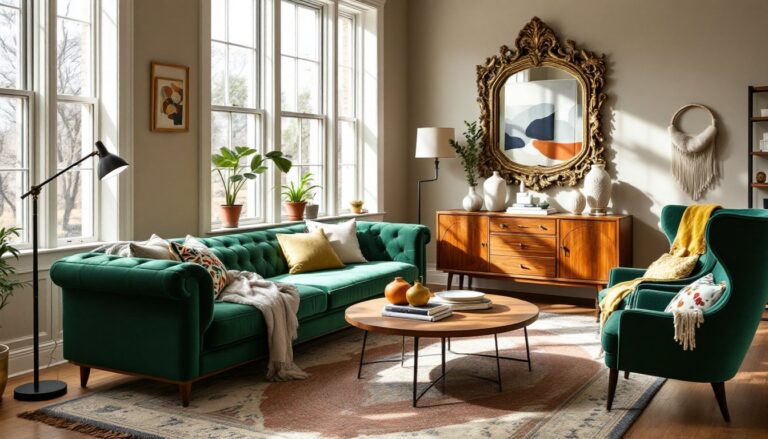
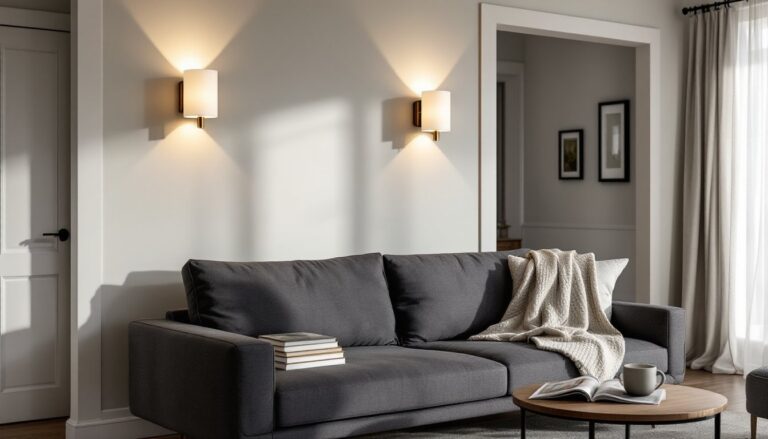
That blank wall above the couch isn’t just unused space, it’s prime real estate for visual impact. Get it right, and the whole room feels pulled together. Get it wrong, and you’ve got an awkward gap that makes even expensive furniture look unfinished. The good news? You don’t need a design degree or a contractor to nail this. Whether you’re working with a compact sectional or a sprawling sofa, the wall above it sets the tone for the entire living room. This guide walks through seven proven approaches, complete with measurements, hanging techniques, and honest advice about what works (and what doesn’t).
Table of Contents
ToggleKey Takeaways
- Wall decor for living room above couch should span two-thirds to three-quarters of the sofa width, hung 6 to 12 inches above the back at eye level for maximum visual impact.
- A single oversized art piece (40×60 to 48×72 inches) is the simplest approach for modern spaces, while gallery walls with 5 to 9 pieces offer flexibility and personalization.
- Mirrors are functional decor solutions that reflect light and visually expand small or dark spaces, working best opposite windows and paired with complementary flanking elements.
- Floating shelves, woven hangings, and metal sculptures add three-dimensional texture that flat art cannot, with proper mounting to studs or heavy-duty anchors essential for safety.
- Always use a stud finder, painter’s tape mock-ups, and a laser level to ensure secure, properly proportioned wall decor installations before committing to holes or nails.
- Choose art colors that pull accent tones from existing furniture, rugs, or curtains to tie the above-couch wall decor seamlessly into your room’s overall design.
Why the Space Above Your Couch Matters
The wall above a couch anchors the room visually. It’s the first thing people see when they walk in, and it’s where eyes naturally land when seated. Leave it bare, and the room feels incomplete, like a sentence missing its punctuation.
From a design standpoint, this zone bridges the horizontal line of the sofa with the vertical space leading to the ceiling. Without something to fill that gap, the proportions feel off. A well-chosen piece or arrangement adds balance, draws the eye upward, and can even make low ceilings feel taller.
Beyond aesthetics, this is where personality lives. Unlike structural elements you’re stuck with, wall decor is flexible. Swap it seasonally, rotate pieces, or change it entirely when you’re ready for a refresh. It’s one of the few high-impact changes you can make without touching paint, flooring, or furniture.
Measuring and Planning Your Above-Couch Wall Space
Before buying or hanging anything, measure the wall and the sofa. You’ll need three key dimensions: sofa width, height from floor to top of sofa back, and total wall width.
A general rule: your decor should span two-thirds to three-quarters of the sofa’s width. For an 84-inch couch, aim for 56 to 63 inches of combined art or decor width. Going narrower looks timid: going wider can overwhelm the furniture below.
Hang the bottom edge of your decor 6 to 12 inches above the sofa back. This creates breathing room without leaving a canyon of blank wall. For standard sofas with backs around 30 to 36 inches high, that puts the center of your art roughly 60 to 66 inches from the floor, right at average eye level when standing.
Use painter’s tape to mock up dimensions on the wall before committing. It’s the easiest way to visualize scale and catch sizing mistakes before you’re holding a drill. Measure twice, mount once.
Safety note: Always locate studs with a stud finder when hanging anything over 10 pounds. Use appropriate anchors (toggle bolts or molly bolts) for drywall if studs aren’t where you need them. A 50-pound piece of art falling mid-movie isn’t just startling, it’s dangerous.
Large-Scale Art: Making a Bold Statement
A single oversized piece is the simplest, most impactful approach. It works especially well in modern or minimalist spaces where clutter is the enemy.
Look for canvases, prints, or framed pieces in the 40×60-inch to 48×72-inch range for standard 84- to 96-inch sofas. Horizontal orientations (landscape) tend to complement the sofa’s horizontal line, but a large square or even a vertical piece can work if the ceiling height supports it.
Canvas prints are lightweight and easy to hang with sawtooth hangers or wire. Framed pieces add polish but weigh more, expect a large framed print to hit 20 to 40 pounds, requiring wall anchors rated for the load. Many homeowners exploring wall art for living rooms find that statement pieces anchor the space without additional clutter.
Abstract art, landscapes, and photography all work. What matters more than subject is color palette. Choose art that pulls one or two accent colors from your room, throw pillows, rugs, or curtains. This ties the piece into the space instead of making it float awkwardly.
If budget’s tight, consider a large DIY canvas. Stretched canvas panels from art supply stores run $30 to $80 depending on size. Add acrylic paint in coordinating colors, and you’ve got custom art for under $100. No artistic skill? Geometric patterns, color blocking, and textured techniques (sponging, palette knife work) are forgiving and look intentional.
Gallery Walls: Curating a Personalized Display
Gallery walls let you mix frames, art styles, and personal photos into one cohesive display. They’re flexible, scalable, and easy to adjust over time. But they require more planning than a single piece.
Start by selecting 5 to 9 pieces for a medium-sized sofa wall. Odd numbers tend to look more balanced. Frames can match (uniform black or white creates clean cohesion) or mix (wood, metal, and painted finishes for an eclectic vibe).
Lay the entire arrangement on the floor first. Arrange and rearrange until spacing feels even, 2 to 3 inches between frames is standard. Take a photo of the final layout for reference.
When hanging, start with the center piece at eye level and build outward. Use a level for every frame. Even a 1-degree tilt multiplies across a gallery wall and makes the whole thing look sloppy. Many design resources, including curated ideas from House Beautiful’s above-couch decor roundups, emphasize symmetry and intentional spacing.
For an easier approach, buy a gallery wall kit with matching frames and a paper template. These typically run $60 to $150 and take the guesswork out of spacing. You tape the template to the wall, nail through marked spots, then remove the paper and hang frames.
Tool tip: A laser level (around $20 to $40) makes multi-piece installations faster and more accurate than a bubble level, especially if you’re working solo.
Mirrors and Reflective Decor for Light and Depth
Mirrors are the secret weapon for small or dark living rooms. They reflect natural light, visually double the space, and add a layer of dimension that flat art can’t.
A large 36×48-inch or 40×60-inch mirror works like oversized art but with added function. Hang it the same way you would a statement piece: 6 to 12 inches above the sofa back, centered on the wall.
Framed mirrors in wood, metal, or ornate finishes add style. Frameless or beveled mirrors lean modern and clean. For tighter budgets, adhesive mirror tiles (12×12-inch squares) can be arranged in a grid for $40 to $80 total, but they’re harder to remove cleanly if you change your mind.
Mirrors work best on walls opposite or adjacent to windows, where they can bounce daylight deeper into the room. Avoid placing them directly opposite a busy view (like a cluttered kitchen) or where they’ll reflect glare from overhead lights.
Consider pairing a mirror with smaller flanking elements, sconces, floating shelves, or small art, to create a layered look. This approach suits homes where a thoughtfully arranged living room setup benefits from both form and function.
Safety note: Mirrors are heavy and fragile. Use heavy-duty wall anchors or mount to studs. A 40-pound mirror requires at least two D-ring hangers and anchors rated for 50+ pounds each.
Three-Dimensional and Textural Wall Decor Options
Flat art isn’t the only option. Three-dimensional decor, shelving, sculptures, woven pieces, and architectural elements, adds texture and depth that photographs and paintings can’t match.
Floating shelves are practical and stylish. Install two or three staggered shelves (each 24 to 36 inches wide) and style them with books, plants, small art, or decorative objects. Use shelf brackets rated for the load, and mount to studs or use heavy-duty anchors. Expect each loaded shelf to weigh 15 to 30 pounds.
Woven wall hangings (macramé, rattan, jute) bring warmth and a handmade feel. They’re lightweight, easy to hang with a single nail, and work especially well in boho, coastal, or Scandinavian-inspired spaces. Pieces in the 30×40-inch to 36×48-inch range suit most sofas.
Metal wall sculptures or geometric wire designs add modern edge. Look for powder-coated steel or brushed brass finishes that won’t rust or tarnish indoors. These are typically lightweight (under 10 pounds) and mount with included hardware.
For a natural, organic touch, consider a large wooden wall panel or reclaimed wood art. Barn wood, pallet wood, or carved panels add rustic texture. Many DIYers source reclaimed lumber for free or cheap and create custom pieces. Sand it down, apply a clear polyurethane or stain, and mount with heavy-duty picture hangers.
If color is a concern, selecting the right backdrop matters, homeowners often balance decor with their wall color choices to create cohesion. Similarly, matching decor to trending paint palettes ensures the space feels current without constant updates.
DIYers looking for budget-friendly makeovers often turn to resources like Addicted 2 Decorating for step-by-step project inspiration that doesn’t require a designer’s budget.
Lighting integration: Battery-powered LED picture lights or plug-in sconces can highlight textural pieces and add ambient light. Install dimmers if hardwiring to control mood. Always follow NEC guidelines for any electrical work, if you’re unsure, hire a licensed electrician.
Conclusion
The wall above your couch isn’t decorating extra credit, it’s foundational to a finished, intentional living room. Whether you go bold with a single oversized piece, curate a gallery wall, bounce light with mirrors, or add dimension with shelves and texture, the key is proper measurement, secure mounting, and choosing pieces that reflect your space and style. Measure carefully, use the right hardware, and don’t rush the layout. Your living room will thank you.