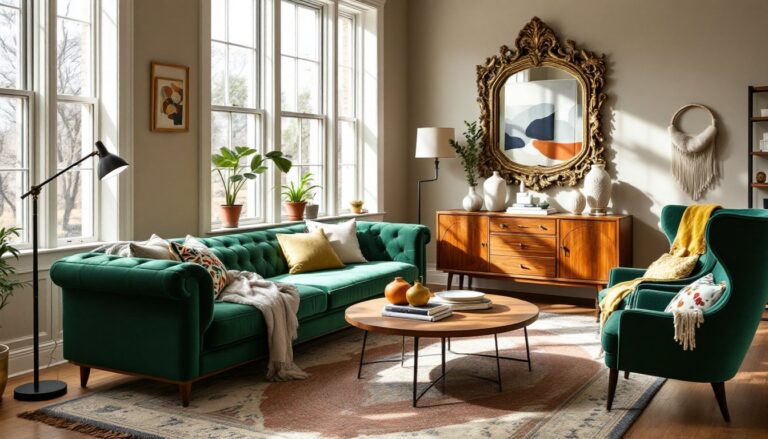
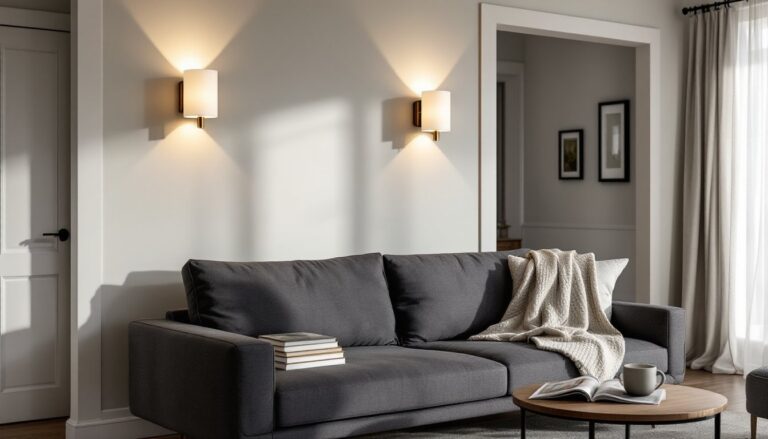
Glam isn’t about dusting off old Hollywood posters or dropping a chandelier in a beige box. It’s a design language that balances opulence with livability, think metallics that catch afternoon light, velvet that begs to be touched, and a color palette that makes neutrals feel anything but boring. Done right, a glam living room walks the line between magazine-worthy and actually comfortable. Whether you’re planning a full renovation or just looking to layer in some luxe touches, these ideas translate high-end design principles into practical, achievable upgrades that work in real homes.
Table of Contents
ToggleKey Takeaways
- Glam living room ideas succeed by balancing opulence with livability—combining reflective surfaces, plush textures, and layered lighting without creating visual chaos.
- Choose a cohesive color palette of either high-contrast neutrals (white, charcoal, black) or jewel tones (emerald, sapphire, navy) with premium paint finishes that enhance depth and light reflection.
- Velvet is essential for glam interiors; pair it with intentional metallic accents by selecting one dominant metal finish for 80% of hardware and décor to maintain a sophisticated, decided look.
- Size chandeliers correctly using the formula of room length plus width converted to inches, and hang them 30–36 inches above the coffee table for maximum visual impact.
- Start with one anchor piece—a tufted velvet sofa, statement chandelier, or bold color—then layer curated accessories like oversized mirrors, coordinating throw pillows, and high-pile rugs to complete the glam aesthetic.
- Skip visible clutter and random metals; every accessory should serve a purpose, and proper assembly-free or well-reviewed furniture prevents costly mistakes and ensures longevity.
What Defines a Glam Living Room?
Glam style pulls from Art Deco, mid-century Hollywood, and modern luxury interiors. The common thread? Drama without chaos. You’ll see clean lines paired with rich textures, symmetry that anchors the eye, and just enough sparkle to elevate the room without turning it into a showroom.
Key elements include:
- Reflective surfaces: Mirrors, glass-topped tables, polished metals (brass, chrome, nickel)
- Plush textiles: Velvet, silk, faux fur, high-pile rugs
- Layered lighting: Chandeliers, sconces, table lamps, multiple sources at different heights
- Bold accents: Jewel tones, metallics, or high-contrast neutrals (black, white, charcoal, cream)
- Statement pieces: Oversized art, sculptural furniture, or an eye-catching light fixture
This isn’t minimalism. Glam layers texture and finish, but it does so with intention. Every piece should either anchor the space or add visual interest, not clutter. If you’re working with an open floor plan, consider how luxury living elements flow from one zone to the next. Consistency in finish and color temperature (warm brass vs. cool chrome) keeps the look cohesive.
Luxurious Color Palettes That Make a Statement
Glam palettes tend to fall into two camps: high-contrast neutrals or jewel-toned richness. Both work, choose based on your room’s natural light and existing architecture.
High-contrast neutrals (white, cream, charcoal, black) create a crisp backdrop that lets texture and metallic accents shine. This approach works well in smaller rooms or spaces with limited daylight. Pair SW Pure White (a true, clean white) with charcoal velvet and brass hardware for instant sophistication.
Jewel tones (emerald, sapphire, amethyst, ruby) add depth and warmth. These aren’t accent-wall colors, commit to them on larger surfaces like sofas, drapes, or even cabinetry if you have built-ins. Emerald green pairs beautifully with gold and blush pink. Navy blue works with silver, crystal, and white marble.
If you’re repainting, note that premium paints like Benjamin Moore Aura or Sherwin-Williams Emerald offer better depth and sheen consistency, especially in satin or semi-gloss finishes that reflect light. One gallon typically covers 350–400 square feet, but high-gloss or deep colors may require a second coat.
Avoid muddy mid-tones or overly warm beiges, they flatten the space. Glam thrives on contrast and clarity, not blend-in backgrounds.
Velvet and Metallic Textures for Ultimate Elegance
Texture is where glam gets tactile. Velvet, in particular, is non-negotiable. It catches light differently than cotton or linen, creating subtle shifts in color depending on the angle. Performance velvet (polyester blends treated for stain resistance) has come a long way, it’s durable enough for high-traffic homes and cleans up with a damp cloth.
For seating, look for frames with solid hardwood or engineered wood construction and 8-way hand-tied springs if budget allows. Cheaper frames sag. Velvet hides a lot, but it won’t hide a poorly built sofa.
Metallic accents should be intentional, not random. Pick one dominant metal (brass, gold, chrome, nickel) and stick with it for 80% of your hardware, lighting, and decor. The remaining 20% can be a complementary finish, say, antique brass with hints of black iron, but too many metals read as indecisive, not eclectic.
Common metallic touchpoints include:
- Coffee table bases or legs
- Picture frames and mirror surrounds
- Lamp bases and fixture finishes
- Cabinet pulls (if you have built-ins or media consoles)
- Curtain rods and finials
Layering in textured wall treatments like grasscloth, venetian plaster, or even peel-and-stick 3D panels (e.g., Art3d PVC textured panels) adds dimension without the commitment of wallpaper. These materials also help with minor wall imperfections, just make sure walls are clean, dry, and primed with a stain-blocking primer if you’re covering old paint or patches.
Statement Lighting and Chandeliers
Lighting is the easiest way to signal “glam” from the doorway. A chandelier doesn’t need to cost thousands, but it does need to be sized correctly. The quick formula: add the room’s length and width (in feet), then convert that number to inches for the fixture diameter. For a 12′ × 15′ room, aim for a chandelier around 27″ wide.
Hang it so the bottom sits 30–36 inches above the coffee table or 7 feet above the floor if there’s no table underneath. If your ceiling height is 10 feet or more, go larger and lower, scale matters.
Popular glam styles include:
- Crystal or glass bead chandeliers: Classic, reflects light beautifully, pairs with both modern and traditional furniture
- Sputnik or geometric fixtures: Mid-century modern vibe, works well in rooms with clean lines
- Drum chandeliers with metal detailing: Softer light, good for lower ceilings, still reads as upscale
Pair overhead lighting with table lamps (matching bases or coordinating finishes) and wall sconces for layered illumination. Use dimmable LED bulbs (2700–3000K for warm white) to control mood. Many design professionals recommend installing dimmer switches on all living room circuits, it’s a $15 part and a 20-minute DIY install if you’re comfortable working with electrical (turn off the breaker first).
If you’re renting or can’t hardwire a chandelier, plug-in swag kits (available at most hardware stores) let you hang a ceiling fixture using an existing outlet and a ceiling hook. Just make sure the hook is anchored into a ceiling joist or use a toggle bolt rated for the fixture’s weight.
Furniture Choices That Elevate Your Space
Glam furniture skews toward curves, tufting, and elevated profiles. Look for pieces with turned or tapered legs in wood or metal, channel tufting or diamond-button backs, and low-profile arms that don’t block sightlines.
Sofas and chairs: A tufted velvet sofa is the anchor piece. If a full sectional feels too heavy, try a standard three-seater (84–90 inches) paired with two accent chairs in a complementary fabric (e.g., velvet sofa + leather or linen chairs). Avoid bulky recliners, opt for slipper chairs or wingbacks with exposed wood frames instead.
Coffee tables: Glass tops on brass or gold bases keep the room feeling open. If you prefer wood, go for high-gloss lacquer finishes or mirrored panels. Standard coffee table height is 16–18 inches, and it should sit about 14–18 inches from the sofa edge.
Side tables and consoles: Marble or faux-marble tops (sintered stone like Dekton or porcelain slabs) resist stains and heat better than natural marble and cost less. Pair with metal bases for that signature glam contrast.
Media consoles: If you’re wall-mounting a TV, choose a low-profile console with soft-close drawers and integrated cable management. Glam doesn’t love visible cords. For DIY installs, locate studs with a stud finder and use lag bolts rated for your TV’s weight. Most 55–65″ TVs weigh 30–50 lbs with the mount.
When shopping, check if the piece requires assembly. “Minimal assembly” often means attaching legs, fine. “Assembly required” can mean an afternoon with an Allen wrench and instruction booklet written in three languages. Read reviews for real-world assembly times.
Glamorous Accessories and Finishing Touches
Accessories are where DIYers can make the biggest impact without major investment or construction. The goal: curated, not cluttered.
Mirrors: Oversized floor mirrors or groupings of smaller mirrors amplify light and make rooms feel larger. Hang a 36″ × 48″ mirror opposite a window to bounce natural light. Use D-rings and picture wire for anything over 20 lbs, and anchor into studs or use wall anchors rated for 50+ lbs.
Throw pillows and blankets: Stick to three coordinating fabrics max, one solid velvet, one metallic or beaded, one subtle pattern. Standard throw pillow sizing: 20″ × 20″ or 22″ × 22″. Use down-alternative inserts one size larger than the cover (22″ insert in a 20″ cover) for a plump, high-end look.
Rugs: Layer a faux sheepskin or high-pile shag over a larger neutral jute or flatweave for texture contrast. The base rug should extend 6–12 inches beyond the furniture footprint on all sides. For a well-coordinated space, ensure the rug anchors the seating area without crowding walkways.
Decorative objects: Lucite trays, marble coasters, gold-rimmed glassware, and sculptural bookends add polish. Group items in odd numbers (three candlesticks, five books) and vary height. Coffee table books with glossy covers (art, fashion, architecture) are a low-effort upgrade.
Window treatments: Floor-to-ceiling drapes in silk or velvet, mounted as close to the ceiling as possible, make walls feel taller. Use traverse rods for functional drapes or decorative rods with rings for stationary panels. If privacy isn’t a concern, skip sheers and let the fabric be the statement.
Art and decor trends shift, but pieces from sources like Home Bunch or galleries featuring abstract metallics, oversized botanicals, or black-and-white photography hold their value in glam interiors. Frame everything, even posters, in matching or coordinating frames with mats for a gallery feel.
Conclusion
Glam doesn’t require a gut renovation or a five-figure budget. It’s about choosing finishes that reflect light, fabrics that invite touch, and pieces that command attention without overwhelming the room. Start with one anchor element, a velvet sofa, a statement chandelier, or a bold color palette, and layer from there. The difference between glam and garish is restraint, so edit as you go and let each piece earn its place.