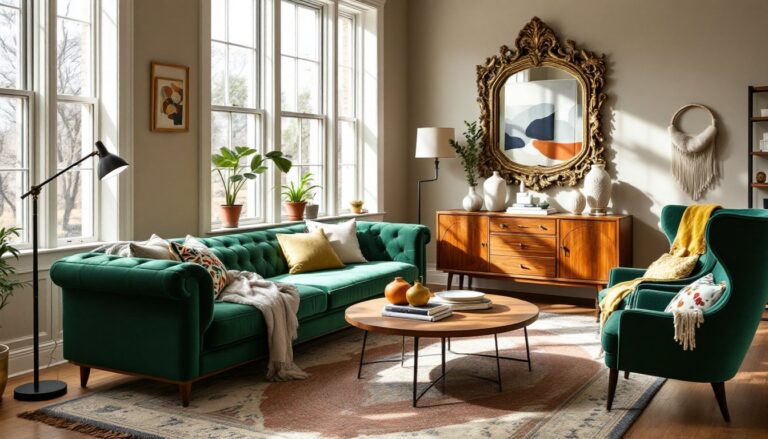
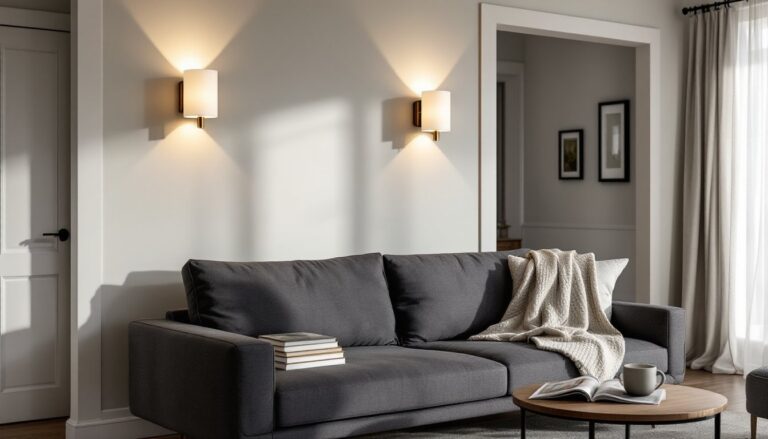
Creating an elegant formal living room doesn’t mean draping everything in velvet and hoping for the best. It’s about deliberate choices, refined palettes, proportionate furniture, and architectural details that lend weight without feeling stuffy. Whether you’re working with a newly built colonial or an older home with good bones, these strategies will help you build a space that feels polished, intentional, and worth reserving for company (or just keeping the dog off the sofa). Here are twelve proven approaches that balance classic sophistication with livable design.
Table of Contents
ToggleKey Takeaways
- Elegant formal living room ideas begin with a refined, neutral color palette—using soft whites, warm grays, or taupe—layered with muted accent tones like navy, sage green, or charcoal that age well and won’t clash with furnishings.
- Invest in statement furniture with classic silhouettes like tailored sofas, wingback chairs, and hardwood frames with quality joinery rather than matching sets, which creates a more sophisticated and curated aesthetic.
- Layer luxurious textures and fabrics including heavyweight drapery panels, wool area rugs sized to 8′ × 10′ or larger, and throw pillows in velvet or silk to add visual richness without clutter.
- Architectural details such as crown molding (3–5 inches for 8-foot rooms), wainscoting, and picture rail molding instantly elevate formality and can be DIY-friendly installations with proper tools and preparation.
- Select elegant lighting fixtures as focal points—use a chandelier sized proportionally to the room and installed on a dimmer switch, complemented by table lamps and sconces using warm white bulbs (2700K–3000K) for a flattering glow.
- Anchor the formal living room with curated artwork hung at 57–60 inches from the floor, incorporate mirrors to amplify light and space, and keep decorative accents minimal using the rule of three for visual balance.
Choose a Refined Color Palette for Maximum Impact
Start with a neutral foundation, soft whites, warm grays, taupe, or greige, then layer in accent tones that add depth without shouting. Think deep navy, charcoal, sage green, or muted blush. These colors age well and won’t fight with upholstery or artwork.
Avoid trendy accent walls in high-contrast colors: they date quickly. Instead, use tone-on-tone schemes where the walls, trim, and ceiling are separated by only one or two shades. This creates visual height and sophistication.
If you’re repainting, low-VOC acrylic latex in an eggshell or satin finish is the standard for living rooms, easier to clean than flat, less glare than semi-gloss. One gallon typically covers 350–400 square feet, so measure twice. The subtlety in choosing wall colors can define whether a room feels formal or casual.
Consider the room’s natural light. North-facing rooms benefit from warmer neutrals (beige, cream) to counteract cool daylight, while south-facing spaces can handle cooler grays without feeling sterile.
Invest in Statement Furniture with Classic Silhouettes
Formal living rooms call for furniture that holds its shape, no slouchy sectionals or overstuffed recliners. Look for tailored sofas with exposed wood legs, tight-back cushions, and clean lines. Camelback, Chesterfield, and English roll-arm styles all bring formality without feeling like a museum.
Scale matters. A standard sofa runs 84–96 inches long: go longer if the room allows, but leave at least 30–36 inches of clearance around the furniture for traffic flow. Pair the sofa with accent chairs (wingback, bergère, or slipper chairs) arranged to encourage conversation, not TV watching.
Choose hardwood frames (oak, maple, or poplar) over particleboard. Flip the piece over and check corner blocks and joinery, mortise-and-tenon or doweled joints outlast staples. If you’re investing in upholstery, budget for high-density foam (2.0–2.5 lbs per cubic foot) and quality fabric, linen, velvet, or performance blends that resist pilling.
Avoid matching furniture sets. A curated living room setup feels more sophisticated when pieces share a common thread (era, material, or palette) without being identical twins.
Layer Luxurious Textures and Fabrics
Elegance lives in the details, silk throw pillows against linen upholstery, a wool area rug over hardwood, velvet drapes pooling slightly at the floor. Mixing textures adds visual richness without clutter.
Start with window treatments. Floor-to-ceiling drapery panels in heavyweight fabric (velvet, silk dupioni, or lined linen) frame windows and improve acoustics. Mount the rod 4–6 inches above the window casing and extend it 8–12 inches beyond each side for a fuller look when open. Professionals from Architectural Digest’s elegant living room gallery often emphasize the impact of well-chosen drapery on perceived room height.
For area rugs, aim for an 8′ × 10′ or 9′ × 12′ in most formal living rooms, large enough that the front legs of all major seating pieces rest on the rug. Wool or wool-blend rugs wear well and bring warmth. Avoid synthetic fibers that flatten or pill quickly.
Add throw pillows in varying sizes (20″, 22″, 24″ squares) but limit patterns to two or three max. Velvet, silk, and boucle bring tactile contrast. Finish with a cashmere or lightweight wool throw draped over the arm of a chair, not folded into a perfect square.
Incorporate Architectural Details and Molding
Crown molding, wainscoting, and coffered ceilings instantly elevate a room’s formality. If your space lacks original trim, adding it is a manageable DIY project for anyone comfortable with a miter saw and a nail gun.
Crown molding is typically 3–5 inches tall in standard 8-foot rooms: go larger (5–7 inches) in rooms with 9- or 10-foot ceilings. MDF or primed finger-joint pine are cost-effective and paint-ready. Cut inside corners with coped joints for tighter seams than miters alone.
Wainscoting or picture rail molding adds horizontal interest. Picture rail molding sits 12–18 inches below the ceiling and lets you hang artwork without nailing into drywall, useful in formal spaces where you want flexibility. Wainscoting (board-and-batten or raised panel) works well on the lower third of the wall.
If you’re installing molding yourself, use a stud finder to locate framing, and secure trim with 18-gauge brad nails into studs whenever possible. Fill nail holes with lightweight spackle, sand smooth, then prime and paint. Always paint trim in a higher sheen (satin or semi-gloss) than walls for contrast and easier cleaning.
Note: If you’re modifying load-bearing walls or adding built-ins that penetrate exterior walls, consult local building codes and consider a permit. Purely cosmetic trim work typically doesn’t require one, but rules vary by jurisdiction.
Select Elegant Lighting Fixtures as Focal Points
Lighting sets the tone in a formal living room. A chandelier or large pendant becomes the room’s jewelry, choose a fixture with a diameter roughly equal to the room’s length plus width in feet, converted to inches. For a 14′ × 16′ room, that’s a 30-inch fixture.
Hang the chandelier so the bottom sits at least 7 feet above the floor (higher in rooms with tall ceilings). If you’re centering it over a coffee table, aim for 30–36 inches above the table surface. Install it on a dimmer switch, non-negotiable for formal spaces where you’ll want to adjust mood lighting.
Complement overhead lighting with table lamps and sconces. Lamps should be proportional to the furniture: a standard end table (24–26 inches tall) pairs well with a lamp that’s 26–30 inches total height, placing the bottom of the shade at roughly eye level when seated.
Choose warm white bulbs (2700K–3000K) for a flattering glow. LED bulbs are energy-efficient and last 15,000–25,000 hours, but check the CRI (Color Rendering Index), aim for 90+ to ensure fabrics and artwork look true to color. Rooms designed for luxury and comfort often layer multiple light sources to avoid harsh shadows.
Style with Curated Artwork and Decorative Accents
Artwork anchors a formal living room and gives guests something to discuss besides the weather. Hang larger pieces (40″ × 60″ or bigger) as focal points above the sofa or fireplace. The center of the artwork should sit at 57–60 inches from the floor (gallery standard, roughly eye level).
If you’re hanging a grouping, lay it out on the floor first, maintaining 2–4 inches between frames. Use picture-hanging hooks rated for the weight, a 20-pound framed piece needs two hooks or a heavy-duty wall anchor if you’re not hitting a stud. For precise placement and ideas on pairing wall art styles, sketch a quick plan or use painter’s tape to mock up positions.
Mirrors amplify light and space. A large mirror with an ornate or gilt frame opposite a window reflects natural light and adds depth. Lean an oversized floor mirror against the wall for a casual-elegant look, or mount it securely if it’s over 30 pounds, use wall anchors rated for drywall (toggle bolts or molly bolts) unless you’re anchoring into studs.
Keep decorative accents minimal: a pair of ceramic or glass table lamps, a sculptural bowl, fresh greenery (fiddle-leaf fig, olive tree, or orchids), and a few coffee table books. Avoid tchotchkes and seasonal clutter. Designers featured in Elle Decor’s layered living rooms often stick to the rule of three, group objects in odd numbers for visual balance.
Conclusion
Building an elegant formal living room isn’t about following a single blueprint, it’s about making intentional choices in color, furniture, texture, and detail. Focus on quality over quantity, invest in pieces that’ll last, and don’t skip the prep work (measuring, priming, securing trim properly). The result is a space that feels refined without being untouchable, and one you’ll actually want to spend time in.