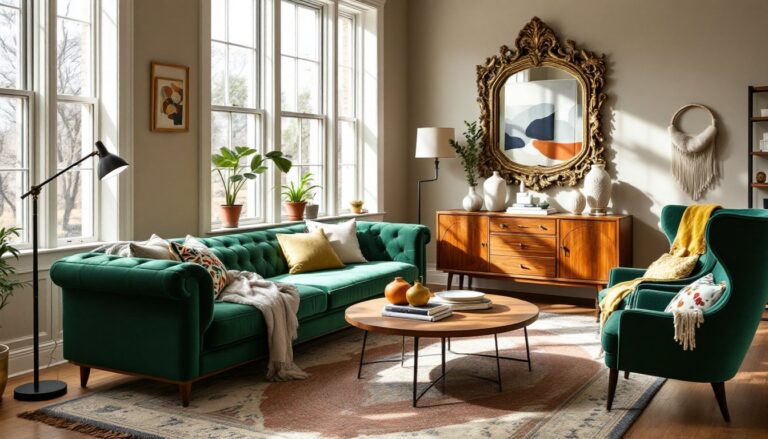
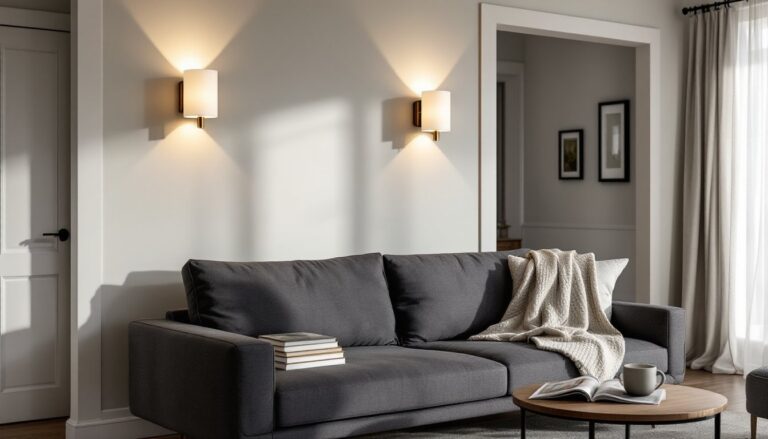
Wallpaper has moved from grandma’s parlor into the spotlight of modern design, and for good reason. It’s fast, transformative, and can tackle design challenges paint can’t touch, think hiding wall imperfections, adding texture, or creating focal points. In living rooms, where you balance comfort, style, and durability, the right wallpaper can set the tone for your entire home. Whether you’re drawn to bold geometrics, calming botanicals, or subtle textures, there’s a pattern that’ll make your space sing. This guide walks through the best wallpaper ideas for living rooms, plus practical tips for choosing, installing, and making it last.
Table of Contents
ToggleKey Takeaways
- Modern wallpaper ideas for living rooms offer transformative design solutions with improved materials that are washable, removable, and available in customizable patterns, making them ideal for renters and homeowners alike.
- Wallpaper selection depends on your living room’s lighting, ceiling height, and furniture—small rooms benefit from light colors and small-scale patterns, while large spaces can handle bold, oversized geometrics without feeling cramped.
- Bold geometric designs bring structure to contemporary spaces, while natural textures and botanical prints add warmth; choose based on your style preference and ensure pattern scale matches your room dimensions.
- Color psychology matters: neutrals provide versatility, blues and greens create calm, warm tones add coziness, and dark colors create drama—always order samples to test how wallpaper colors shift throughout the day.
- Accent walls are the most budget-friendly and impactful approach, especially behind sofas, fireplaces, or architectural features; professional installation costs $1.50-$3.50 per square foot if DIY installation feels intimidating.
- Proper wall preparation, including spackle, sanding, and priming, is essential for wallpaper success, and using the right wallpaper type (peel-and-stick for beginners, pre-pasted or unpasted for durability) ensures long-lasting results.
Why Wallpaper Is Making a Comeback in Modern Living Rooms
Wallpaper’s resurgence isn’t just a trend, it’s a response to improved materials and installation methods. Today’s wallpapers are peel-and-stick, pre-pasted, or traditional, and many are washable, scrubbable, and removable without damaging drywall. That’s a game-changer for renters and commitment-phobes.
Modern living rooms demand more than flat paint. Homeowners want depth, character, and quick results. Wallpaper delivers all three. You can install an accent wall in an afternoon, and the impact rivals a full renovation. Unlike paint, wallpaper can mimic materials, grasscloth, linen, concrete, even shiplap, without the cost or labor of the real thing.
Another factor: customization. Digital printing lets you order custom patterns, colors, and even murals sized exactly to your wall. That level of personalization wasn’t accessible a decade ago. Designers now lean on wallpaper to add drama to color schemes without overpowering furniture or lighting.
Finally, durability. Quality vinyl or non-woven wallpapers resist fading, moisture, and wear better than most paints. In high-traffic living rooms, that means fewer touch-ups and longer-lasting results.
Choosing the Right Wallpaper Style for Your Living Room
Style is subjective, but there are practical considerations. Your living room’s lighting, ceiling height, furniture, and function all dictate what patterns and textures will work.
Start by assessing your space. Small rooms with limited natural light benefit from light-colored, small-scale patterns or textured wallpapers that reflect light. Large, open living rooms can handle bold, oversized designs without feeling cramped. If your ceiling is low (under 8 feet), vertical stripes or patterns with upward movement can add perceived height.
Consider your furniture. If you have a statement sofa or bold art, choose a wallpaper that complements rather than competes. Neutral textures or tone-on-tone patterns work well. If your furniture is understated, let the wallpaper steal the show.
Bold Patterns and Geometric Designs
Geometric wallpapers, hexagons, chevrons, grids, and abstract shapes, bring energy and structure to contemporary living rooms. They work especially well in mid-century modern or minimalist spaces where clean lines dominate.
When choosing geometrics, scale matters. Large-scale patterns (motifs over 12 inches) suit spacious rooms and create a confident, modern look. Small-scale geometrics (under 6 inches) add visual interest without overwhelming smaller spaces. Designers at MyDomaine often recommend starting with one accent wall to test the pattern’s impact before committing to the full room.
Color contrast also affects intensity. High-contrast geometrics (black and white, navy and gold) feel bold and graphic. Low-contrast versions (beige and cream, gray and charcoal) offer the same structure but with a softer presence.
One tip: match your wallpaper orientation to your furniture layout. Horizontal patterns can make a room feel wider, while vertical patterns draw the eye up. If you’re working with a living room set that’s centered on one wall, consider flanking it with geometric wallpaper to frame the seating area.
Natural Textures and Botanical Prints
If geometrics feel too sharp, natural textures and botanicals bring warmth and organic energy. Grasscloth, linen-look, faux wood, and botanical murals are top picks for living rooms that lean traditional, farmhouse, or transitional.
Grasscloth wallpaper, made from natural fibers or high-quality vinyl mimics, adds subtle texture and hides wall imperfections. It’s ideal for living rooms where you want depth without pattern. Real grasscloth is delicate and best suited for low-traffic walls: vinyl versions are more forgiving and washable.
Botanical prints, palm leaves, ferns, florals, and branch motifs, are having a major moment. They soften hard edges, add color, and bring a biophilic element indoors. Large-scale tropical prints suit modern or eclectic spaces, while delicate florals work in cottagecore or vintage-inspired rooms. Experts at House Beautiful suggest pairing botanical wallpapers with natural wood furniture and green or earth-toned accents for a cohesive look.
Textured wallpapers like faux concrete, brick, or shiplap offer industrial or rustic vibes without structural work. They’re especially useful on accent walls behind media consoles or fireplaces.
Best Wallpaper Colors to Enhance Your Living Space
Color is where wallpaper gets personal. The right palette can make a small room feel airy, a cold room feel cozy, or a boring room feel bold.
Neutrals, whites, beiges, grays, and taupes, are the safest bet. They pair with nearly any furniture style and won’t date quickly. Textured neutrals (like linen or grasscloth looks) add dimension without color commitment. They’re especially effective in living rooms where you rotate decor seasonally or plan to update wall colors frequently.
Blues and greens bring calm and work well in living rooms designed for relaxation. Navy adds sophistication and pairs with brass or gold accents. Sage green is trending for its soft, organic feel. Teal offers a middle ground, bold enough to stand out but versatile enough to work with warm or cool palettes.
Warm tones, terracotta, rust, mustard, and blush, add coziness and energy. They’re ideal for north-facing rooms that lack natural warmth. Warm metallics like gold or copper in wallpaper patterns catch light and add subtle glamour.
Bold or dark colors, charcoal, black, deep plum, emerald, create drama and intimacy. They work best in large living rooms with ample lighting. Dark wallpapers can make ceilings feel lower, so use them strategically. Pair with popular paint colors on adjacent walls to balance the weight.
One practical note: order samples before committing. Wallpaper colors shift with lighting throughout the day. Test samples on different walls and observe them in morning, afternoon, and evening light.
Creating an Accent Wall vs. Full Room Coverage
Should you wallpaper one wall or the whole room? The answer depends on budget, boldness, and your living room’s architecture.
Accent walls are the most popular choice. They let you use bold patterns or colors without overwhelming the space or your wallet. The best candidates for accent walls are:
- The wall behind your sofa or seating area
- The wall with the fireplace or media console
- A wall with architectural interest (alcoves, built-ins, or paneling)
- The shortest wall in a rectangular room to balance proportions
Accent walls also make removal easier if you change your mind or move. Most DIYers can install an accent wall in 4-6 hours, depending on wall size and wallpaper type.
Full room coverage creates a cohesive, enveloping effect. It works best with subtle patterns, low-contrast colors, or textured wallpapers that won’t feel busy. Full coverage is a smart choice in luxury living rooms where you want a polished, high-end look.
Full coverage also hides inconsistencies. If your walls have patchy paint, old repairs, or texture differences, wallpapering everything creates uniformity.
Cost and labor are higher with full coverage. Expect to spend 2-4 times as much on materials and installation time. You’ll also need to navigate corners, outlets, and trim more carefully.
One hybrid approach: wallpaper three walls and paint the fourth a complementary solid color. This works well in open-concept spaces where the fourth wall transitions into another room. It gives you the impact of full coverage with a visual break that defines the living area.
Don’t forget the ceiling. Wallpapered ceilings (sometimes called the “fifth wall”) are gaining traction in design circles. They work best with light colors and subtle patterns, and they’re a good fit for rooms with interesting ceiling details or low ceilings that need visual interest.
Practical Tips for Installing Wallpaper in Your Living Room
Good installation is the difference between a pro-looking result and a DIY disaster. Here’s what you need to know.
Prep the walls. This is non-negotiable. Wallpaper magnifies imperfections. Fill holes with spackle, sand rough spots, and wipe down walls to remove dust and grease. If you’re wallpapering over existing wallpaper, remove it first unless it’s in perfect condition and well-adhered. Prime the walls with a wallpaper primer or PVA primer, it seals the surface and makes future removal easier.
Choose the right wallpaper type. Peel-and-stick (self-adhesive) wallpaper is the easiest for beginners. It’s repositionable and doesn’t require paste, but it’s less durable. Pre-pasted wallpaper needs water activation and offers more durability. Traditional unpasted wallpaper requires separate adhesive and is the most durable, but it’s also the trickiest to install. For living rooms with wall art or decor you’ll hang, durability matters, choose pre-pasted or unpasted.
Measure and plan your layout. Measure your wall height and width, then add 4-6 inches to each strip for trimming. Start in the least visible corner (usually behind a door or in a corner farthest from the entry). Use a level and draw a plumb line to keep your first strip straight, everything else will follow.
Tools you’ll need:
- Tape measure and level
- Utility knife with fresh blades
- Smoothing tool or plastic smoother
- Seam roller
- Sponge and bucket for cleanup
- Step ladder
For pre-pasted or traditional wallpaper, add a water tray or paste brush.
Installation steps:
- Cut your first strip to length, adding 2-3 inches top and bottom for trimming.
- If using pre-pasted wallpaper, activate the adhesive according to manufacturer instructions (usually soak in a water tray for 30 seconds).
- Align the top of the strip with your plumb line and smooth from the center outward, pushing out air bubbles.
- Use a utility knife and straight edge to trim excess at the ceiling and baseboard. Change blades frequently for clean cuts.
- Repeat, matching patterns carefully at seams. Butt seams together, don’t overlap.
- Roll seams gently with a seam roller after 15-20 minutes to ensure adhesion.
- Wipe away excess paste with a damp sponge immediately.
Safety and code notes: Wallpapering is cosmetic and doesn’t require permits. But, if you’re removing old wallpaper in a pre-1978 home, be aware of potential lead paint underneath. Test first and use appropriate safety measures (respirator, ventilation, and containment).
Avoid wallpapering over textured drywall or popcorn finishes, the texture will show through and seams won’t adhere properly. Skim coat the wall first or choose a thick, textured wallpaper designed to hide imperfections.
If you’re uncomfortable with pattern matching or have complex wall features (lots of windows, built-ins, or angles), hiring a wallpaper installer is worth it. Professional installation typically costs $1.50-$3.50 per square foot, but you’ll get a flawless result and avoid wasted materials.